
Navigating the mental healthcare system as a neurodivergentAn individual whose brain functions differently from the (usually neurotypical) perception of what is “normal”. For example, an individual with autism, Asperger’s syndrome, dyslexia, dyscalculia, dyspraxia, ADHD, OCD or Tourette Syndrome. individual can be challenging, especially when also dealing with the effects of past trauma. Trauma-focused therapy is a specialised approach that can be enormously beneficial, but it’s important to find a therapist who understands the unique needs of neurodivergentAn individual whose brain functions differently from the (usually neurotypical) perception of what is “normal”. For example, an individual with autism, Asperger’s syndrome, dyslexia, dyscalculia, dyspraxia, ADHD, OCD or Tourette Syndrome. clients.
Neurodivergence, which encompasses conditions like autismA complex developmental condition which can significantly affect verbal and non-verbal communication and social interaction in a range of ways., ADHD, and other neurological differences, often involves distinct cognitive processing, communication styles, and sensory experiences. This can profoundly impact how trauma is experienced and expressed. Neurodivergent individuals may struggle with issues like emotion dysregulation, hypersensitivity, and difficulties forming trusting relationships – all of which are central to the trauma healing process.
Trauma-focused therapists at NeuroTribe tailor their approach to meet your specific needs. This could include:
Utilising structured, predictable session formats
Suggesting sensory accommodations like fidget toys or lighting adjustments
Pacing the exploration of traumatic memories at a gradual, comfortable rate
Emphasising clear communication of boundaries and treatment plans
Incorporating modalities like EMDR, somatic therapy, or art/music therapy

Our Trauma-Focused Team comes from diverse racial and cultural backgrounds, with both lived and professional experience, and extensive training in racial and cultural marginalisationWhen a person, group or concept is treated as insignificant, inferior, isolated or unimportant.. This uniquely equips us to provide support for working through racialised and intergenerational traumaWhen trauma gets passed down generations in families, from a person who has directly experienced it. This ‘passing down’ of trauma can be expressed genetically, psychologically, or through behaviours. .
Intergenerational traumaWhen trauma gets passed down generations in families, from a person who has directly experienced it. This ‘passing down’ of trauma can be expressed genetically, psychologically, or through behaviours. , or transgenerational trauma, refers to psychological and emotional effects passed down from one generation to the next. This occurs when trauma experienced by an individual or group isn’t adequately addressed or resolved, embedding its effects within the family or community, and manifesting in future generations. Such trauma can stem from events like wars, genocides, abuse, oppression, or other deeply impactful experiences.
We believe that safe and effective work in this area requires more than basic cultural competencyA range of skills that help us to communicate, understand and interact effectively with people from cultures different to our own.. It demands lived experience, ongoing CPDThe learning activities professionals complete to maintain and develop their knowledge and skills. led by diverse practitioners, and a commitment to examining how our privileges and social positioning influence each therapeutic relationship. We understand that traditional therapies are rooted in a Western-centric, colonised education system and require adaptation to serve global majorityA term that refers to people of African, Asian, Latin American and Arab descent who make up 80% of the Earth’s population. and white minoritised people effectively, addressing inherent racial and class biases.
For our clients, it’s crucial to understand how race, culture, social status, and neurodivergence intersect to create unique challenges within the UK context.
Our therapists, internally supervised by clinical supervisors from racially and culturally minoritised backgrounds, use somatic, creative, and narrative methods to support a holistic, embodied approach to the relationship between the mind, body, and soul, and the healing of intergenerational trauma.
We can provide therapy in Romanian and Polish, therapy with an Afro-Caribbean-centric somatic approach, and therapists who have lived experience and passion for the mental well-being of the Jewish diaspora and people seeking refuge from wars and conflicts.
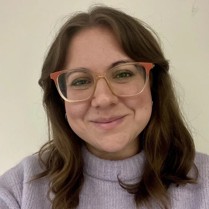
Marissa Green is a qualified Drama and Movement Therapist (Sesame) and AutismA complex developmental condition which can significantly affect verbal and non-verbal communication and social interaction in a range of ways. Specialist Practitioner. She specialises in working with people who identify as neurodivergentAn individual whose brain functions differently from the (usually neurotypical) perception of what is “normal”. For example, an individual with autism, Asperger’s syndrome, dyslexia, dyscalculia, dyspraxia, ADHD, OCD or Tourette Syndrome. and/or who have chronic physical health conditions, and belong to marginalisedWhen a person, group or concept is treated as insignificant, inferior, isolated or unimportant. communities, including racial, ethnic, and religious minorities. Her sessions include both talking and can include some creative activities like exploring different images, using drawing or writing.
Marissa is a neurodivergentAn individual whose brain functions differently from the (usually neurotypical) perception of what is “normal”. For example, an individual with autism, Asperger’s syndrome, dyslexia, dyscalculia, dyspraxia, ADHD, OCD or Tourette Syndrome. therapist who has a warm and exploratory approach and believes in building a trusting, comfortable relationship that supports people in exploring more challenging topics. She seeks to meet people’s specific needs, using tools like visual aids, flexible activities, and discussing sensory requirements.
Marissa has experience working in many settings, including education and Higher Education, the NHS, and mental health recovery. In addition to her therapy work, Marissa is a clinical supervisor, dramatherapy lecturer, and academic. She is currently completing a Professional Doctorate in Health and Social Care and trains other professionals in different skills and topics.
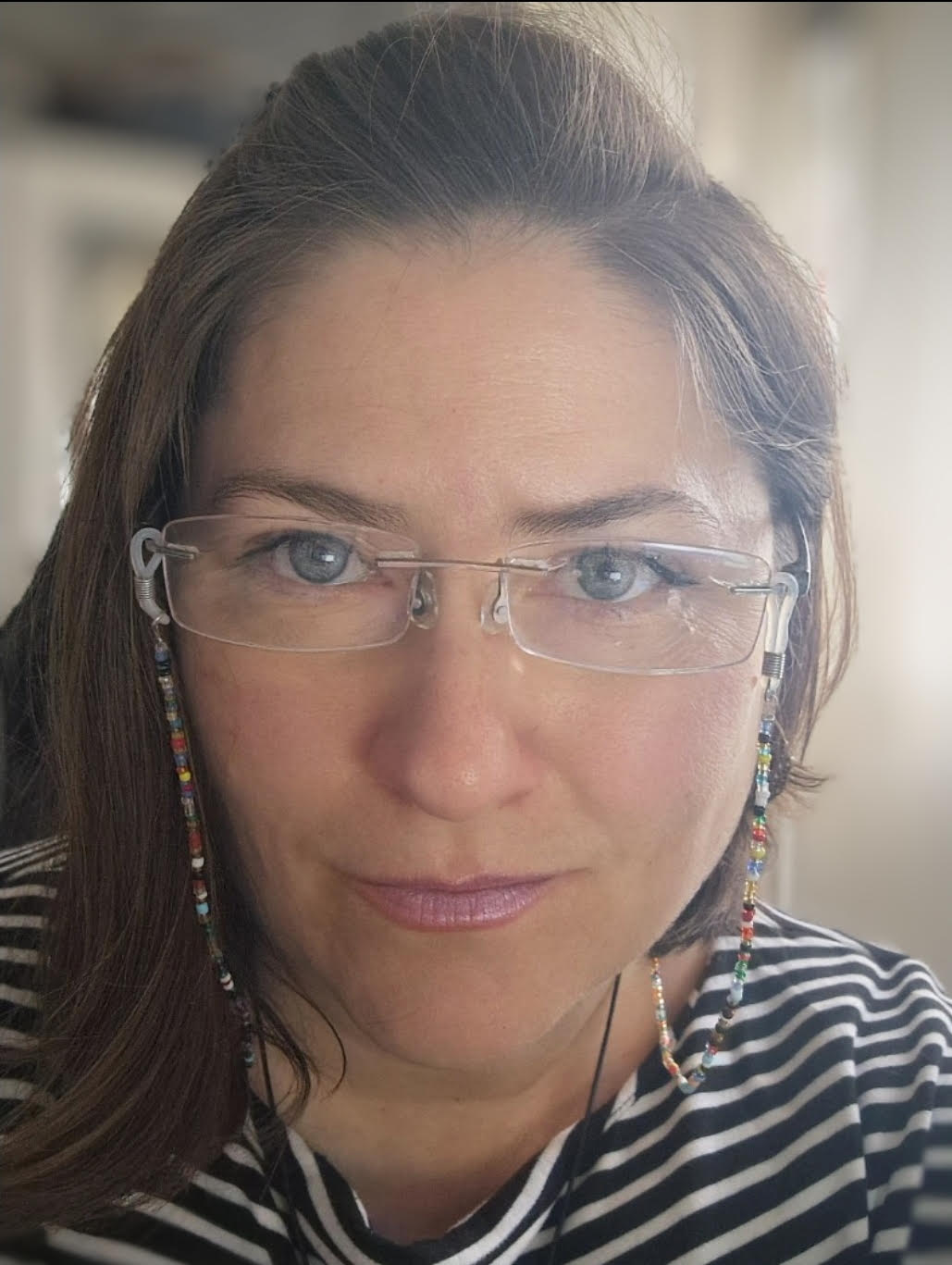
Georgie is a BACP registered Integrative Psychotherapist with over 17 years of experience in both state and private practice and international settings.
Specialising in working with both children and adults, as well as other professionals, Georgie employs a holistic approach that blends various therapeutic techniques to cater to the unique needs of each client. Her approach to therapy is informed by a variety of theoretical orientations and evidence-based practices.
Georgie holds a Double Degree in Psychology and Social Work and a Master’s Degree in Psychotherapy and has undergone extensive training in various therapeutic modalities. She is also a qualified Doula.
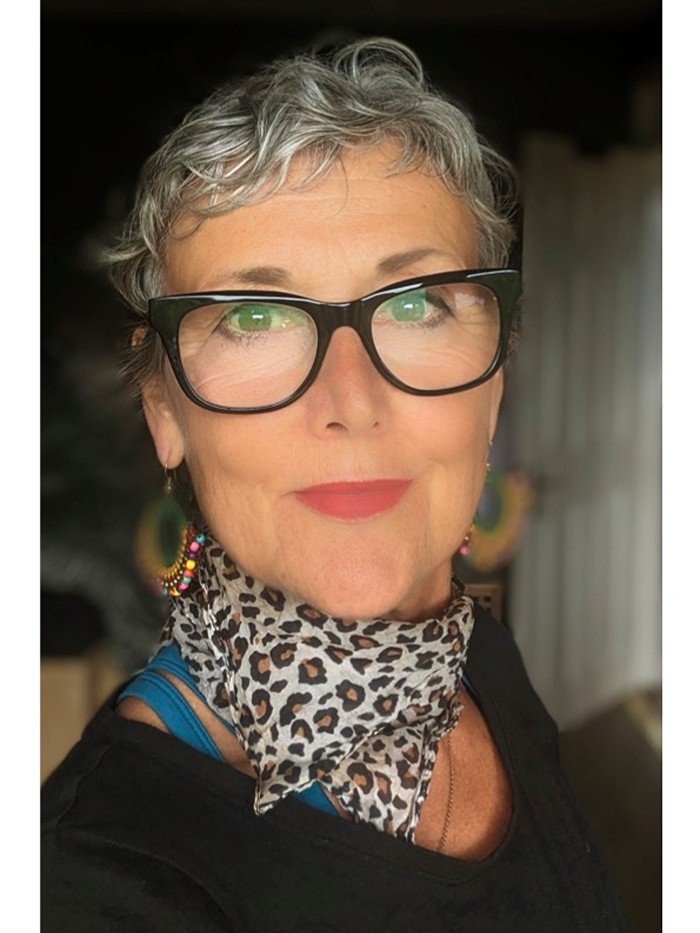
Heather is a trauma-informed, neurodivergentAn individual whose brain functions differently from the (usually neurotypical) perception of what is “normal”. For example, an individual with autism, Asperger’s syndrome, dyslexia, dyscalculia, dyspraxia, ADHD, OCD or Tourette Syndrome. Integrative Creative Psychotherapist providing personalised, attuned care through mind, body and creative processes. She supports families, individuals, children, teenagers and adults, with a focus on relational healing and parent/child dyadic work.
Specialising in complex trauma, sexual trauma and addiction recovery, and with lived experience, Heather offers somatic healing through guided drawing and clay-based creative work. Her neurodiversity-affirming practice integrates psychodynamic, systemic, attachmentThe forming of a significant emotional bond with another person. and neuroscience-informed approaches alongside ACT and solution-focused methods.
With extensive experience across schools, the NHS, local authorities, addiction centres and community settings, she empowers clients to build self-regulation tools, agency and emotional wellbeing. Heather is HCPC registered and a member of BAAT (the British Association of Art Therapists).
Our aim is to create a safe, empowering space where you can address the impacts of trauma while also honouring your neurological differences. With the right support, neurodivergentAn individual whose brain functions differently from the (usually neurotypical) perception of what is “normal”. For example, an individual with autism, Asperger’s syndrome, dyslexia, dyscalculia, dyspraxia, ADHD, OCD or Tourette Syndrome. individuals can find healing, growth, and an improved quality of life. Our therapists have both lived and professional experience working with neurodivergentAn individual whose brain functions differently from the (usually neurotypical) perception of what is “normal”. For example, an individual with autism, Asperger’s syndrome, dyslexia, dyscalculia, dyspraxia, ADHD, OCD or Tourette Syndrome. clients and utilise the following trauma-focused therapy techniques, which can be particularly effective for neurodivergentAn individual whose brain functions differently from the (usually neurotypical) perception of what is “normal”. For example, an individual with autism, Asperger’s syndrome, dyslexia, dyscalculia, dyspraxia, ADHD, OCD or Tourette Syndrome. individuals:
Eye Movement Desensitisation and Reprocessing (EMDR) is a trauma-focused therapy that uses bilateral stimulation, such as eye movements or tapping, to help the brain reprocess traumatic memories. This method can be particularly beneficial for neurodivergentAn individual whose brain functions differently from the (usually neurotypical) perception of what is “normal”. For example, an individual with autism, Asperger's syndrome, dyslexia, dyscalculia, dyspraxia, ADHD, OCD or Tourette Syndrome. clients due to its structured and sensory-based approach. The predictability and pacing of EMDR sessions help manage feelings of overwhelm, making the process more manageable and less daunting.
AcceptanceThe act of taking, receiving or agreeing with something without attempting to change or protest it. and Commitment Therapy (ACT) is a cognitive-behavioural therapy that focuses on increasing psychological flexibility. It encourages clients to acknowledge and accept difficult thoughts and feelings rather than attempting to control or eliminate them. Through techniques such as cognitive defusion, mindfulness, and values-based actions, ACT helps clients engage with the present moment and pursue meaningful life activities, even when facing trauma or challenging personal experiences.
Art Therapy involves creative interventions using art materials, musical instruments, and sensory tools like weighted blankets or fidget toys. This approach helps neurodivergentAn individual whose brain functions differently from the (usually neurotypical) perception of what is “normal”. For example, an individual with autism, Asperger's syndrome, dyslexia, dyscalculia, dyspraxia, ADHD, OCD or Tourette Syndrome. clients self-regulate and stay grounded during trauma processing. By catering to their unique sensory needs, Art Therapy allows clients to express themselves non-verbally, providing an alternative and often soothing way to process difficult emotions and memories.
Trauma-Informed Cognitive-Behavioural Therapy (CBT) is an adaptation of traditional CBT, specifically designed to address trauma-related issues. It helps neurodivergentAn individual whose brain functions differently from the (usually neurotypical) perception of what is “normal”. For example, an individual with autism, Asperger's syndrome, dyslexia, dyscalculia, dyspraxia, ADHD, OCD or Tourette Syndrome. clients identify and shift unhelpful thought patterns that are connected to their traumatic experiences. By focusing on the unique challenges faced by neurodivergentAn individual whose brain functions differently from the (usually neurotypical) perception of what is “normal”. For example, an individual with autism, Asperger's syndrome, dyslexia, dyscalculia, dyspraxia, ADHD, OCD or Tourette Syndrome. individuals, this approach supports clients in developing healthier thought patterns and coping mechanisms, leading to improved emotional resilience.
With the right trauma-informed support that honours your neurodivergence, healing and growth are possible. The journey may require patience and persistence, but you deserve care that empowers you.