

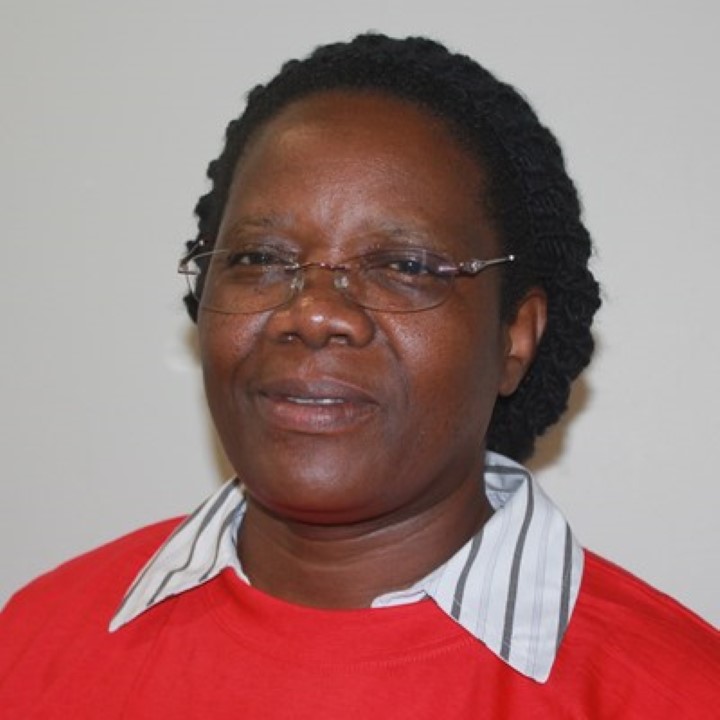
Degrees Held
- PhD Chemistry Education University of KwaZulu-Natal 2009- 2013
- M.Ed. Science Education University of KwaZulu-Natal 2004 – 2006
- B.Ed. Chemistry University of Zimbabwe 1999 – 2000
- Ad DipEd Education University of London. 1995 – 1998
- Cert. Ed. Education Gweru Teachers College, Zimbabwe 1989 – 1991
Research Interests
- Chemistry Education
- Science Education
- Secondary Science education
- Primary Science Education
- Pedagogical Content Knowledge
- Mixed Methods research
Teaching Interests
- Undergraduate chemistry content and methods modules
- Honors science modules
- Masters and PhD supervisions
Selected Publications
Journal Articles
Book Chapters
Journal Articles
- Buma, A., Sibanda, D & Rollnick, M (2024). Exploring the development of the quality of topic specific pedagogical knowledge in planning: the case of grade 8 natural science teachers. International Journal of Science and Mathematics Education, 22, 399-418. https://doi.org/10.1007/s10763-023-10355-0.
- Sibanda, D. & Naidoo, J. (2023). Gender gaps in mathematics achievement in TIMSS 2015: Evidence from Grade 9 South African learners, African Journal of Research in Mathematics, Science and Technology Education, 27(2), 222-234.
- Buma, A., Sibanda, D & Rollnick, M (2023). Exploring the development of the quality of topic specific pedagogical knowledge in planning: the case of grade 8 natural science teachers. International Journal of Science and Mathematics Education (accepted).
- Sibanda, D. (2022). How physical science teachers support learners’ understanding of chemical bonding at high school ISBN: 978-972-8952-82-2 in the ESERA 2021 Conference e-Proceedings series titled “Fostering scientific citizenship in an uncertain world (Proceedings of ESERA 2021 online conference)” Braga: CIEC, University of Minho, Portugal. 2022.
- Buma, A. & Sibanda, D. (2022). In-Service and Pre-Service Science Teachers’ Enacted Pedagogical Content Knowledge about the Particulate Nature of Matter. Education Sciences,12(9),576. https://doi.org/10.3390/educsci12090576.
- Mudaly, R., Mudaly, V., Mthiyane, CCN & Sibanda, D. (2021). Transcending Paradigmatic Fractures: Reflections on a Critically Conscious Academic Identity through a Decolonial Lens. Alternation 28 (,2) 150 – 184. https://doi.org/10.29086/2519-5476/2021/v28n2a7.
- Sibanda, D & Jawahar, K (2012). Exploring the impact of mentoring in-service teachers enrolled in a Mathematics, Science and Technology Education Programme. Alternation 19 (2), 257-272.
- Sibanda, D & Hobden, P. (2015). Planning teaching sequences for teaching chemical bonding. African Journal of Research in Mathematics, Science and Technology Education. 19(1), 23-33. dx.doi.org/10.1080/102884557.2014.1002298.
- Sibanda, D & Hobden, P. (2016). The Sequencing of basic chemistry topics by physical science teachers. African Journal of Research in Mathematics, Science and Technology Education, DOI: 10.1080/18117295.2016.1187505.
- Mukeredzi, T & Sibanda, D (2016) Part-time PGCE teacher-students: What do they bring to and expect from a formal programme? Australian Journal of Teacher Education), 41(9), 80-99.
- Govender, N, Good M-A.& Sibanda, D (2016). Preservice Teachers Collaborative Learning of Gases and Kinetic Molecular Theory (KMT) Using CmapTools©: A Variation Theory Analysis. PONTE International Journal of Sciences and Research 72 (12), 394-412.
- Sibanda, D (2018) What Sequence do we follow in Teaching Concepts in Chemistry. A Study of High School Physical Science Teachers’ PCK, African Journal of Research in Mathematics, Science and Technology Education, 22(2), 196-208, DOI: 10.1080/18117295.2018.1484408
- Sibanda, D & Mukeredzi, T. (2018) Physical science teachers’ insights into pedagogical and content knowledge, and the nature of support of an ACE in-service programme. Alternation, Special edition 23, 169- 196.
- Rollnick, M., Toerien, R., Sibanda, D., Hattingh, A. & Kind , V. (2018). Teachers’ Knowledge for teaching chemical bonding: Scope and Trajectories. In Finlayson, O.E., McLoughlin, E., Erduran, S., & Childs, P. (Eds.), Electronic Proceedings of the ESERA 2017 Conference. Research, Practice and Collaboration in Science Education, Part 3: Strand 3, (Fechner, S & Tiberghien, A), (pp. 518-527), Dublin, Ireland: Dublin City University. ISBN 978-1-873769-84-3
- Mohamed Almakki,, A., Samir Kumar Nandy,. SK, Sabyasachi Mondal, S. Sibanda, P & Sibanda, D. (2019). A model for entropy generation in stagnation point flow of non‐Newtonian Jeffrey, Maxwell, and Oldroyd‐B nanofluids. Heat Transfer—Asian Research, 48 (1), 24-41. DOI: 10.1002/htj.21366.
- Oyelakin, I.S, Mondal, S., Sibanda, P& Sibanda, D. (2019). Bioconvection in Casson nanofluid flow with Gyrotactic microorganisms and variable surface heat flux. International Journal of Biomathematics, 12(3),
- Chirikure, T., Govender, N., Sibanda, D., Kolobe, L., Good, M.-A., & Ngema, S. (2019). Adding voices to physical sciences pre-service teachers’ approaches to learning. African Journal of Research in Mathematics, Science and Technology Education, 23(2), 195-205. doi:10.1080/18117295.2019.1654211.
- Nhlengethwa, K., Govender, N. & Sibanda, D (2020). Final-year pre-service primary school teachers’ understanding of inquiry-based-science teaching. Baltic Science Education 19(3), 454-466. doi.org/10.33225/jbse/20.19.454.
- Nhlengethwa, K.B., Govender, N., & Sibanda, D (2020). Primary school pre-service teachers’ enactment of inquiry-based-science teaching, Education 3-13, DOI: 10.1080/03004279.2020.1854958.
- Naidoo, J & Sibanda, D. (2020). Examining science performance of South African grade 9 learners in TIMSS 2015 through a ‘Gender lens’. South Africa Journal of Education, 40 (Supplrment 2), p S1-S10.
- Sibanda, D & Amin, N (2021). The link between a mentorship programme for mathematics, science and technology in-service teachers and professional development, Sage Open, 11(1):215824402098873:DOI: 10.1177/2158244020988732
- Sibanda, D, & Rollnick, M. (2020). Post graduate certificate in Education students’ topic specific pedagogical content knowledge (TSPCK) on particulate nature of matter. ISBN in the ESERA 2019 Conference e-Proceedings series titled “The Beauty and Pleasure of Understanding: Engaging with Contemporary Challenges Through Science Education” January 2021, Conference: ESERA201, At: Bologna.
- Oyelakin, I.S., Sibanda, D., & Sibanda, P. (2021). Numerical analysis of nonlinear density relation and binary reaction with sinusoidal wall temperature, AICHE Journal (inpress)
- Govender, N, Good M-A.& Sibanda, D (2016). Preservice Teachers Collaborative Learning of Gases and Kinetic Molecular Theory (KMT) Using CmapTools©: A Variation Theory PONTE International Journal of Sciences and Research 72 (12), 394-412.
- Sibanda, D & Jawahar, K (2012). Exploring the impact of mentoring in-service teachers enrolled in a Mathematics, Science and Technology Education Programme. Alternation 19 (2), 257-272.
Book Chapters
- Mudaly, R., Mudaly, V., Doras Sibanda, D., & Cynthia Carol Nonhlanhla Mthiyane, CCN. (2021). Transcending paradigmatic fractures: Towards a critically conscious academic identity (inpress)
- Thomson, R M., Sibanda, D., & Ngetu, C. (2019). Integrating Science and Technology in the Intermediate Phase. In book: Teaching Technology: Intermediate to Senior Phase. Publisher: Oxford University Press. https://books.google.co.za/books/about/Teaching_Technology.html?id=oDUszAEACAAJ&redir_esc=
Community Engagement
- 2024 Rural Primary Science Education
- 2022 eThekwini Service learning Forum
- 2019 – current: Cell explorer Project (DNA experiment)
- 2018 Cell explorer Project
- 2008-2019 : member of organizing committee for KZN, Minitek Quiz
- Science Cluster representative community engagement
- Member of SAARMSTE, ESERA
Teaching Expertise
- Science Communication
- Ed Technology module
- PGCE physical science teaching specialization
- Natural Science teaching specialization
- Physical Science for Educators
- Physical Science Methods
- Teaching and learning in Science 11 (Hon)
- Assessment in Science & Mathematics Education (Hon)
Student Supervision
Honours
Masters
PhD
Honours
- 2014: Samaneka. F. An exploration of Grade 10 Life Sciences teachers’ views on the implementation of the Practical examinations in Life Sciences at selected high schools in the Escort region; Co-supervisor (completed 2015).
- 2014: Mfeka N Exploring the impact of water scarcity on the well-being of primary school learners in the Lubombo region of Swaziland; (Completed 2017).
- 2014 Grade Zodwa Dlamini Teacher’s views of water Crisis in Manzini Region of Swaziland: A Case Study of Four Rural Primary Schools (Completed 2017).
- Magwaza T. I. An exploratory study of factors that contribute to poor performance by Grade 10 to 12 learners in Physical Sciences in Mtunzini circuit; Main Supervisor (completed 2018).
- 2014 Simelane. S Exploring Pre-service Teachers’ Experiences in Learning Chemistry at a College in Swaziland. Sole Supervisor (completed 2018).
- 2017 Ngubane L. Exploring Biological Sciences Preservice Science Teachers’ Sense Making of Assessment Feedback at a South African university, Co-supervisor (completed 2019).
- 2017 Sisobo, S. An exploration of teaching strategies used by Natural Science teachers when teaching Energy and Change content in a grade 9 classroom 4rd year; Main supervisor (completed 2021).
- 2018: Maxwell Mkhize 204514944- An analysis of TVET NCV Agricultural Soil Science Curriculum for students learning.
- 2019: Nontokozo Mbokazi 213507545- Exploring grade 10 physical science learners’ understanding of the nature of science in a township school.
- 2019: Njabulo Mabika 214556165- An investigation of errors made by students when learning the mole concept from secondary schools in Physical Sciences.
- 2019: Nokuthula Raula 212507167- Exploring Life Science Teachers’ teaching strategies in teaching genetics to Grade 12 learners.
- 2020 Naras SK. Exploring the link between the selection criteria used in the science foundation and students progression in Science degrees at UniZul (completed 2022).
2020 Mbokazi N. Exploring Grade 8 Natural Sciences Learners’ Perceptions Of Kahoot Game- Based Learning Tool At A School In The Rural Area Of Mgungundlovu District(completed 2022).
2021:Nokuthule Simamane 212547422- Analysis of factors that contribute to the poor performance of secondary schools in mathematics and science located in rural areas.
- 2021:’Linda Miya 210500241 -Analysis of factors that contribute to the poor performance in Life Sciences in township schools.
- 2021 Moodley K. Exploring students’ learning of the concept of atomic structure in grade 10 physical science (writing up).
- 2021 Malinga Nkosingiphile. Exploring Life Sciences teachers’ attitudes and perceptions towards animal organ dissection (writing up).
- 2023 Khumalo Nsindiso 211526008 Teaching strategies used by in-service physical sciences teachers to support students’ learning of organic chemistry in grade 12
Masters
- 2014: Samaneka. F. An exploration of Grade 10 Life Sciences teachers’ views on the implementation of the Practical examinations in Life Sciences at selected high schools in the Escort region; Co-supervisor (completed 2015).
- 2014: Mfeka N Exploring the impact of water scarcity on the well-being of primary school learners in the Lubombo region of Swaziland; (Completed 2017)
- 2014 Grade Zodwa Dlamini Teacher’s views of water Crisis in Manzini Region of Swaziland: A Case Study of Four Rural Primary Schools (Completed 2017)
- 2014: Magwaza T. I. An exploratory study of factors that contribute to poor performance by Grade 10 to 12 learners in Physical Sciences in Mtunzini circuit; Main Supervisor (completed 2018,)
- 2014 Simelane. S Exploring Pre-service Teachers’ Experiences in Learning Chemistry at a College in Swaziland. Sole Supervisor (completed 2018)
- 2017 Ngubane L. Exploring Biological Sciences Preservice Science Teachers’ Sense Making of Assessment Feedback at a South African university, Co-supervisor (completed 2019).
- 2017 Sisobo, S. An exploration of teaching strategies used by Natural Science teachers when teaching Energy and Change content in a grade 9 classroom 4rd year; Main supervisor (completed 2021)
- 2020 Mbokazi N. Exploring Grade 8 Natural Sciences Learners’ Perceptions Of Kahoot Game- Based Learning Tool At A School In The Rural Area Of Mgungundlovu District, Sole (completed 2022)
- 2020 Naras SK. Exploring the link between the selection criteria used in the science foundation and student’s progression in Science degrees at UniZul, Main supervisor (completed 2023)
- 2020 Sohana Deenanath 203518249- Understanding grade 11 learner’s understandings of representation in stoichiometry, Main supervisor (writing chapter 4)
- 2021 Moodley K. Exploring students’ learning of the concept of atomic structure in grade 10 physical science, Main supervisor (completed 2023)
- 2021 Bhekumuzi Zondi 218087883 Grade 11 Learners’ Life Sciences Self-concept: A Case Study in Amajuba District- co-supervisor (completed 2023)
- 2021 Malinga Nkosingiphile. Exploring Life Sciences teachers’ attitudes and perceptions towards animal organ dissection, Co-supervisor (completed 2024)
PhD
- 2015 Nhlengetha,K An exploration of pre-service primary teachers’ Pedagogical Content Knowledge (PCK) in inquiry based science teaching (IBST) in a university in Swaziland. Co-supervisor 5th year (completed, 2020).
- 2017 Ngema Sebenzile, An exploration of novice Physical Sciences teachers’ cognition about inquiry-based instruction: a Case study of Secondary Schools in Pinetown District, Co supervisor, 5rd year (completed 2022).
- 2020 Jawahar Kavish, A sematic gravity perspective on South African school chemistry curriculum alignment (Completed 2021).
- 2021 Ekias Zirevo How teachers Develop, Implement and Evaluate a Teaching Learning Sequence for Stoichiometry at Upper Secondary School Level in Zimbabwe (Data Analysis).
- 2021 Hemraj Dharampal Exploring in-service Life Sciences teachers’ Topic Specific Professional Knowledge (TSPK) in the teaching of the Theory of Evolution in South Africa (Data Collection).