


The James Bond Island tour from Phuket is one of the classic day trips in southern Thailand. The journey takes you into the protected waters of Phang Nga Bay, past steep limestone cliffs, hidden lagoons, mangrove forests and the famous needle-shaped rock Ko Tapu, known worldwide from the 1974 James Bond movie The Man with the Golden Gun.
We have been visiting this area regularly since 1999. Over the years, we have watched piers become more comfortable, safety standards improve and visitor routes become better protected. What has not changed is the feeling you get when the boat enters the bay and the karst cliffs rise from the emerald-green water. This guide explains the route, the differences between big boat, speedboat, premium speedboat and longtail options, the best time to visit, what is included and how to choose the right tour for your travel style.
If you only compare photos, many James Bond Island tours look the same. In reality, the experience can be very different. The boat type, group size, tide, departure pier and included activities all affect the day. Some tours focus on relaxed sightseeing, some on many stops, and others on comfort or photography.
| Travel Style | Best Tour Choice | Why It Works Well |
|---|---|---|
| Families with children | Big Boat | More space, more shade, usually calmer on the water and easier for a relaxed full-day trip. |
| Guests with limited time | Speedboat | Fast transfer, more stops in one day and direct access to several highlights. |
| Comfort-focused travellers | Premium Speedboat | Usually smaller groups, better service and a more polished tour flow. |
| Couples and nature lovers | Longtail or private tour | More traditional, slower and closer to the local atmosphere of Phang Nga Bay. |
| Photographers | Private, early-bird or late-afternoon tour | Better timing, more flexibility and fewer people at the main viewpoints. |
The following prices are a practical guide for the most common James Bond Island tour options from Phuket. Final prices can change by season, hotel location, boat operator and availability, so always check the booking page before confirming.
| Tour Option | Adult Price | Child Price (4–11 yrs) | Notes |
|---|---|---|---|
| Big Boat James Bond Island Tour | ฿2,499 | ฿1,799 | Onboard buffet, Naka paddleboard |
| Speedboat James Bond Island Tour | ฿2,900 | ฿2,000 | Canoeing, Koh Panyee lunch, Palm Beach Club |
| Premium Speedboat James Bond Island Tour | Approx. ฿3,600 | on request | Premium option; final price depends on availability |
| Longtail Boat – Sightseeing | ฿2,000 | ฿1,500 | James Bond 2 programme |
| Longtail Boat – Sea Canoe | ฿2,300 | ฿1,700 | James Bond 1 programme with guided sea canoeing |
| James Bond & Khai Island Tour | ฿2,950 | ฿1,950 | Cave safari + Khai snorkeling |
Prices are indicative 2026 rates and may vary depending on the operator, travel date and availability. Infants under 3 years travel free on the Longtail Boat programme.
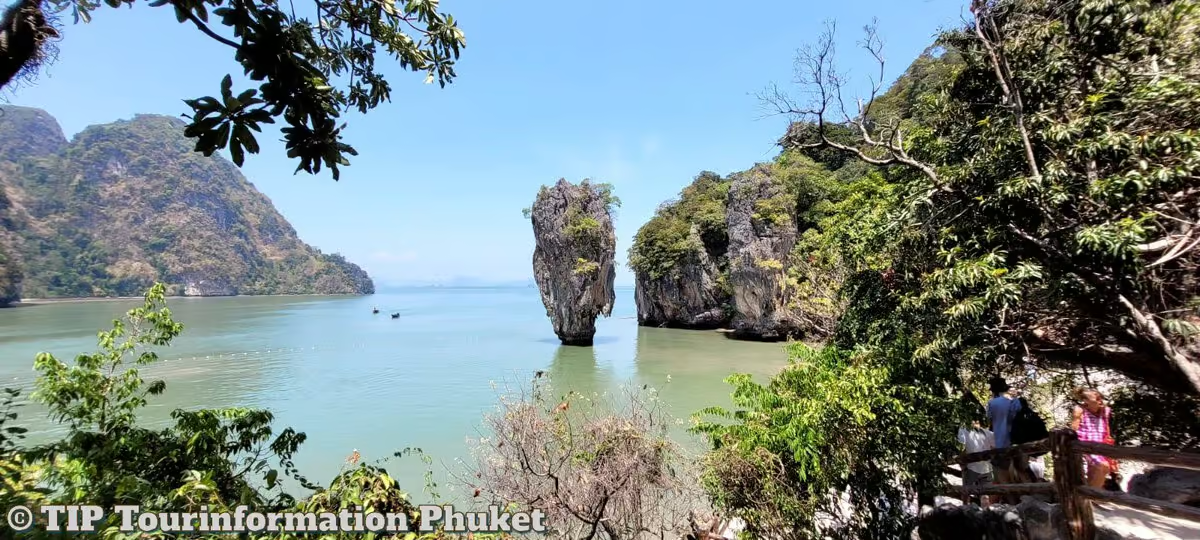
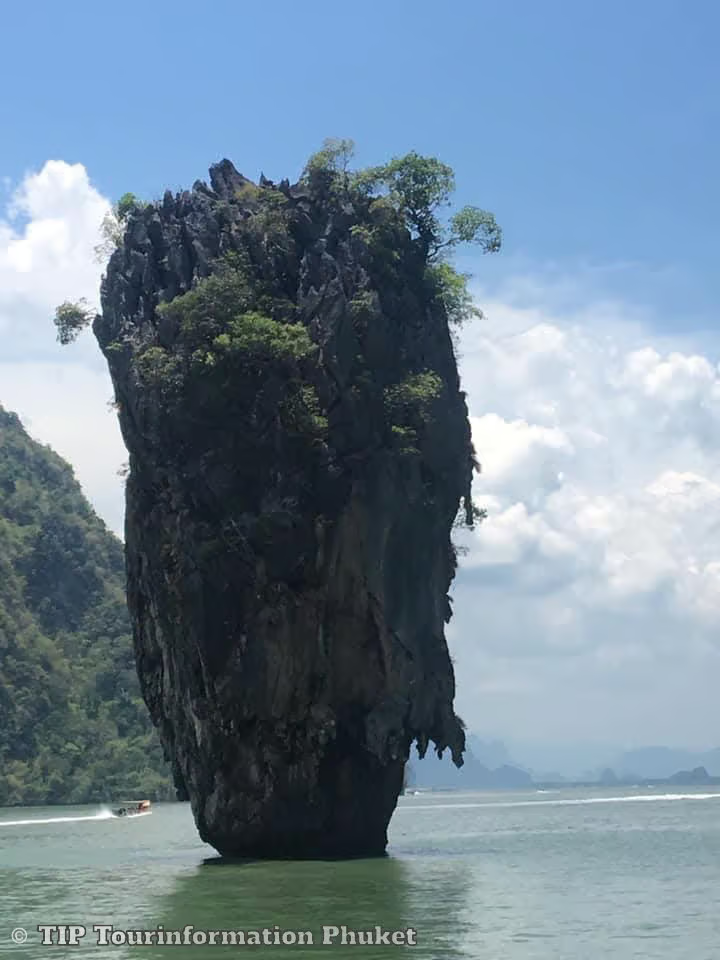
The name James Bond Island is the name travellers use, but it is not the official name of the place. The island you can walk on is called Khao Phing Kan. The famous thin rock rising from the water is called Ko Tapu, often written as Koh Tapu or Khao Tapu. In Thai, Tapu refers to a nail, which is why the rock is sometimes described as the “nail island”.
The place became world-famous after appearing in the James Bond movie The Man with the Golden Gun in 1974. Today it is one of the most photographed locations in Thailand. Ko Tapu itself is protected. Boats are not allowed to land directly at the rock, and visitors cannot climb on it or touch it. This protection is important because the limestone base has been shaped by water and erosion for thousands of years.
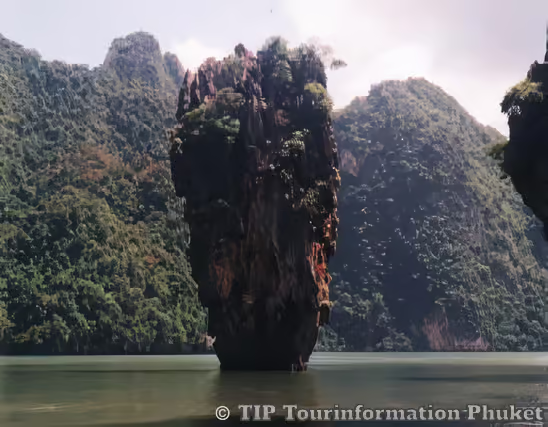
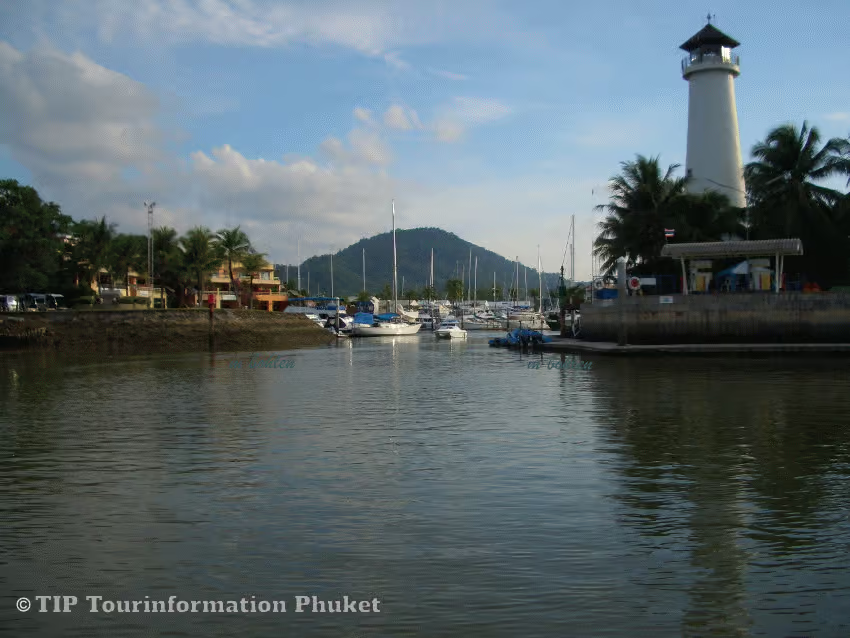
We first visited James Bond Island in the late 1990s. On this page, we use our own comparison photos from different years, including 1999, 2000, 2011, 2017, 2023, 2024 and 2025. The photos show how tourism infrastructure has changed, while the limestone cliffs and Ko Tapu itself remain almost unchanged.
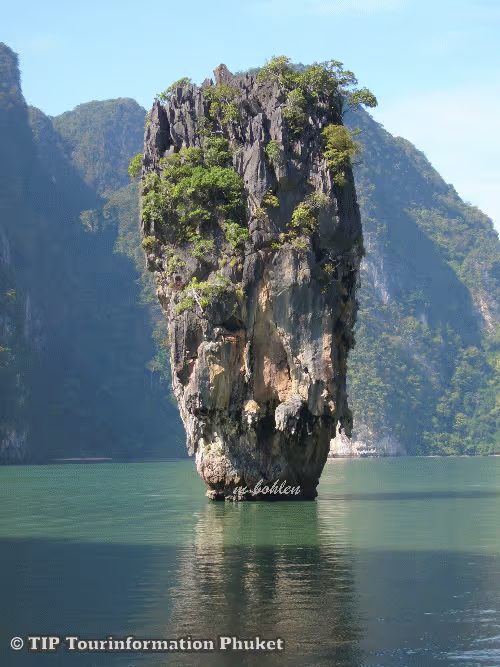
The biggest differences are around the visitor paths, piers and safety systems. In the past, the trip often felt more improvised. Today, the tour is easier, safer and more organised. The trade-off is that you share the place with more visitors, especially between December and March. Good timing is the key.
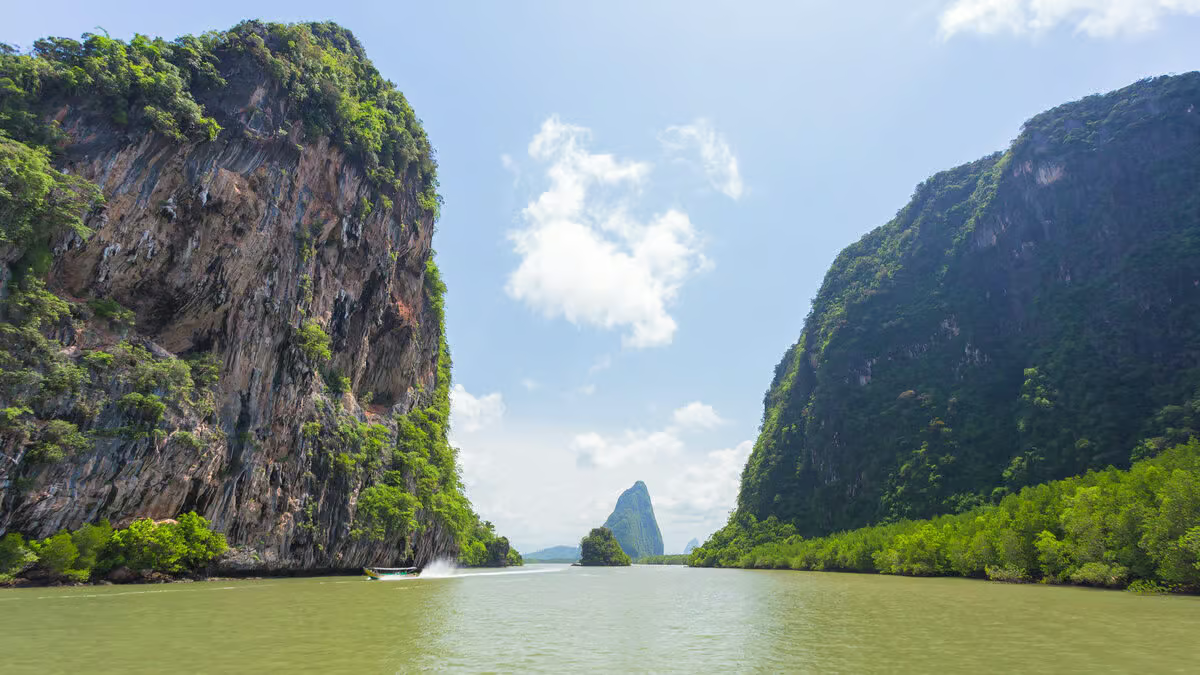
The bay is not open ocean. It feels more like a giant maze of calm green water, mangrove channels and limestone towers. This is one reason why the James Bond Island tour is popular with guests who usually worry about rough sea. The bay is naturally sheltered, so the ride is often smoother than tours crossing open water to islands such as Phi Phi or the Similan Islands.
The landscape belongs largely to Ao Phang Nga National Park. The area protects karst cliffs, mangrove forests, caves, birdlife and marine habitats. If you enjoy dramatic scenery more than beach clubs and snorkelling, this is one of the best day trips from Phuket.
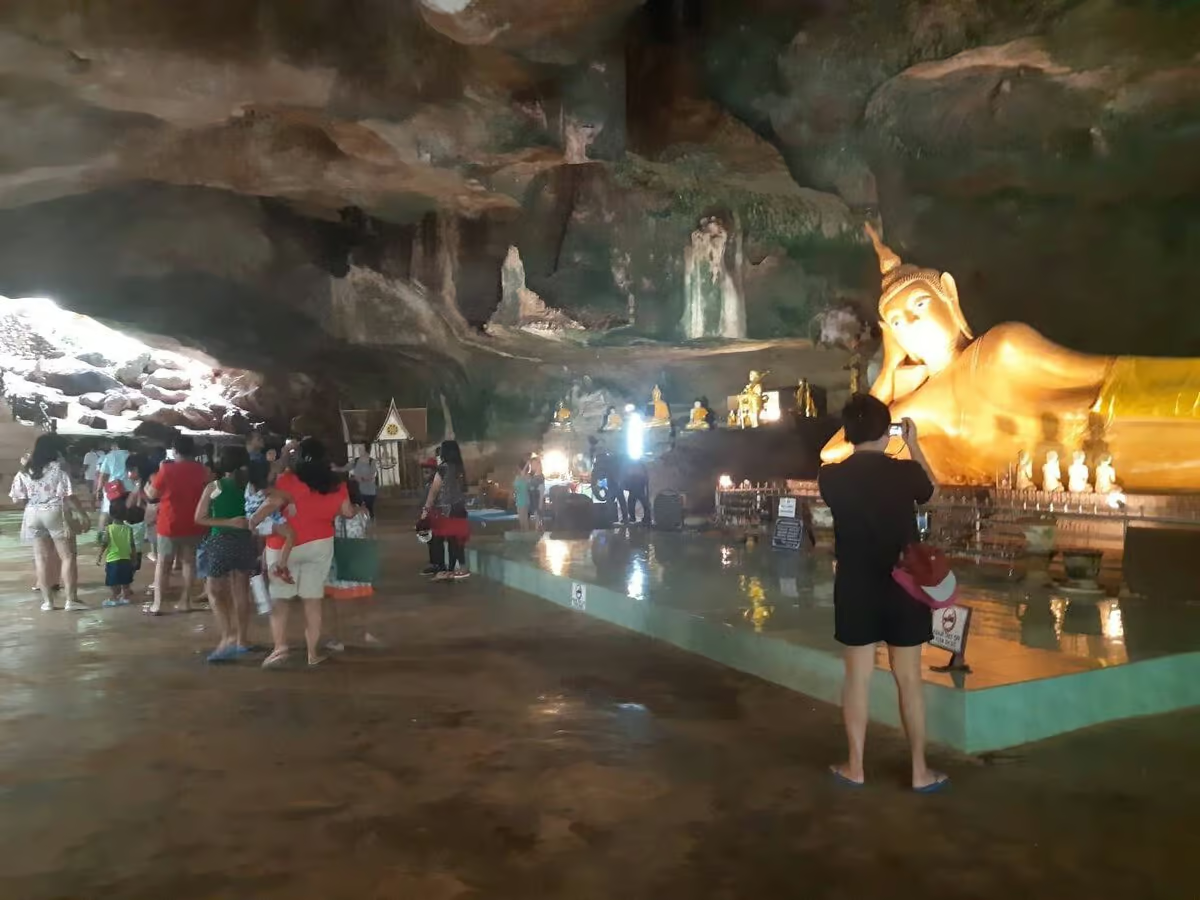
On many James Bond Island tours, the Suwankuha Temple—commonly known as the Monkey Cave Temple—is one of the first or last stops of the day. Located about 40 km north-east of Phuket, it offers a fascinating cultural contrast to the boat journey. Inside a natural limestone cavern rests a 15-metre golden reclining Buddha. Long-tailed macaques live around the cave entrance, which gives the site its nickname.
Shoulders and knees must be covered, and shoes are removed before entering the inner cave sanctuary. Photography is permitted, but please show respect toward praying monks and fellow worshippers.
The spiritual heart of the temple complex lies deep within a natural limestone cavern. Here rests magnificent 15-metre-long golden reclining Buddha statue, symbolizing the passing into Nirvana. Surrounded by towering rock walls, small shrines and numerous Buddha statues, the cave maintains a peaceful, serene atmosphere that stands in delightful contrast to the bustling piers of the James Bond Island tour.
Natural light filters through ceiling openings, casting a warm glow across parts of the sanctuary. Combined with the dramatic stalactites and limestone walls, Suwankuha Temple ranks among the most atmospheric cave sanctuaries in Phang Nga province.
Numerous long-tailed macaques inhabit the jungle-covered area around the cave entrance, earning the site its popular name, Monkey Cave Temple. These monkeys roam freely around the grounds and are accustomed to human visitors. However, guests should maintain a respectful distance and avoid carrying open food or drinks, as the curious animals can occasionally approach bags or bottles.
Suwankuha Temple is an active, sacred Buddhist site rather than a mere tourist attraction. Shoulders and knees must be covered, and shoes are removed before entering the inner cave sanctuary. Photography is permitted, but visitors are kindly asked to show respect toward praying monks and fellow worshippers.
While many travellers initially view the temple as a quick roadside stop, a proper visit is well worth the time. The combination of the natural limestone cave, the golden reclining Buddha and the tranquil ambiance provides a wonderful prelude or conclusion to the James Bond Island excursion. Especially when paired with the natural wonders of Phang Nga Bay, Suwankuha Temple reveals the rich cultural heritage of southern Thailand and makes the day trip even more rewarding.
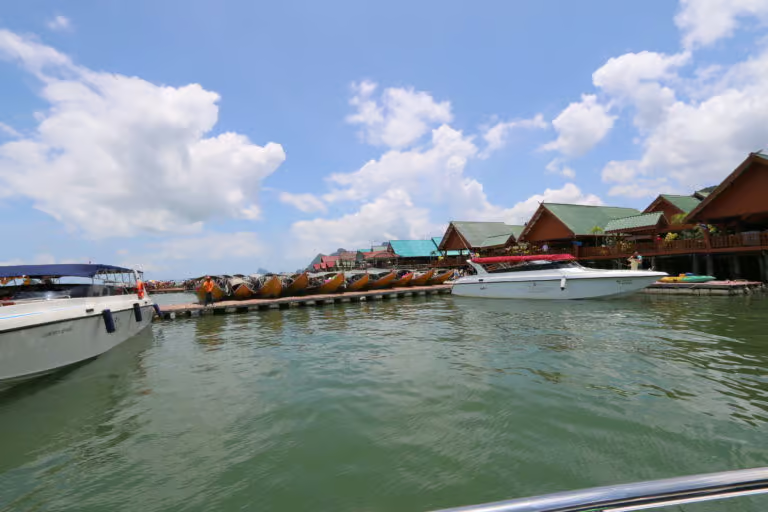
The day begins for most guests early in the morning with hotel pickup, usually between 7:00 and 9:00 depending on the hotel location and selected tour. After check-in at the pier, the team gives a short safety briefing, hands out life jackets and explains the route for the day.
Departure piers differ by tour. Some boats leave from Royal Phuket Marina, some from Ao Po Pier or nearby piers in the northeast of Phuket. The exact pier is less important than the tour type and route. What matters most is whether your tour includes canoeing, Koh Panyee, lunch, the national park fee and a suitable final stop for swimming or relaxing.
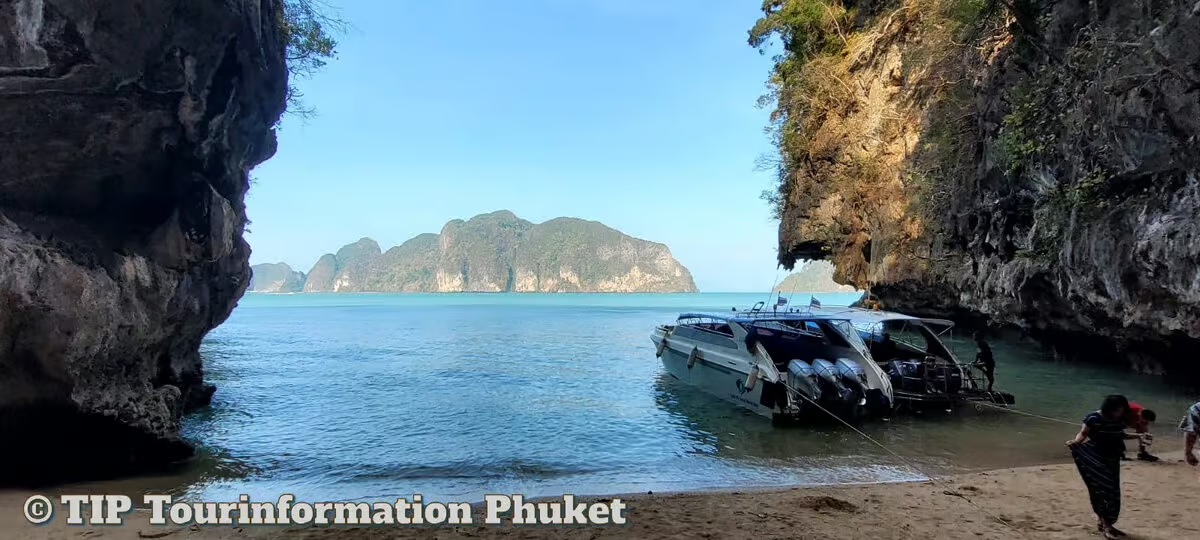
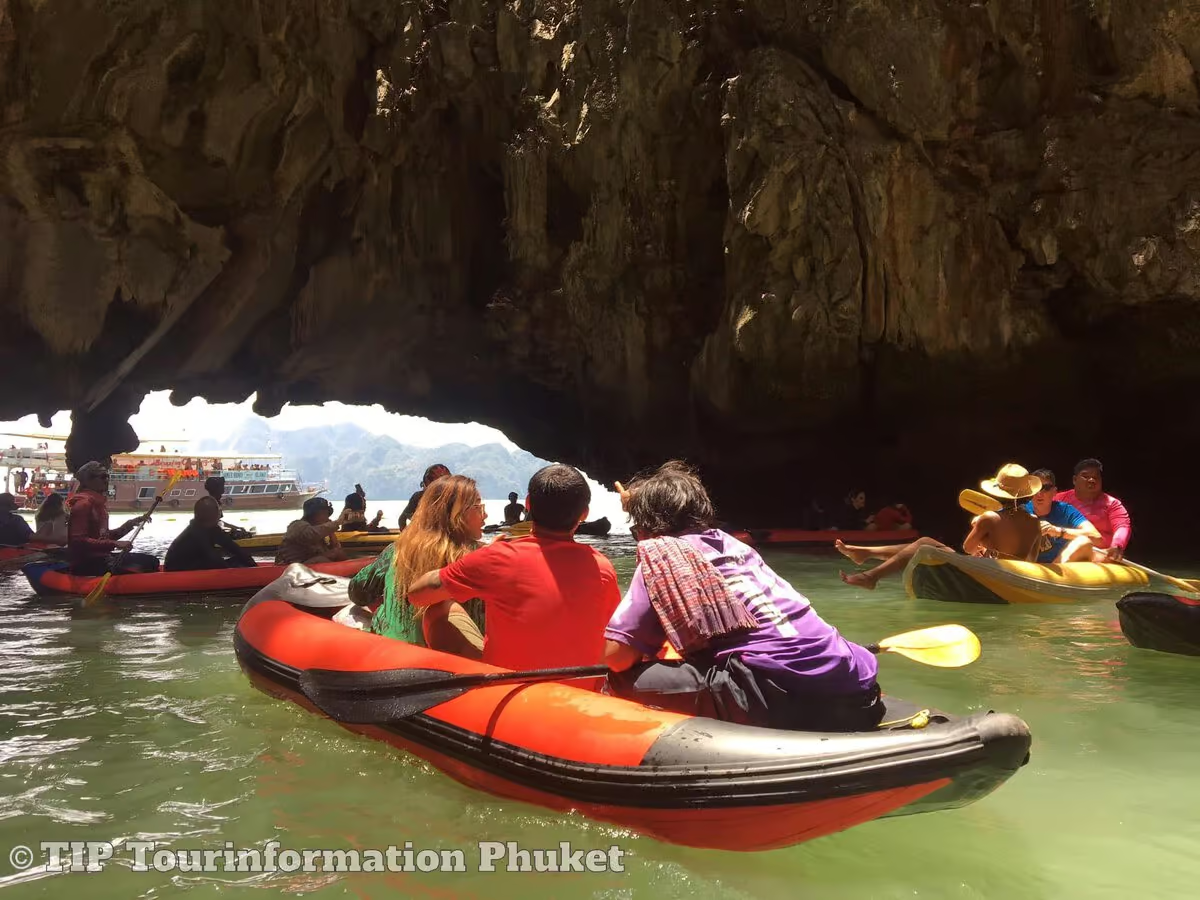
Panak Island is often one of the first major stops in the bay. The cliffs rise almost vertically from the water and are covered with tropical vegetation. Depending on tide and tour program, guests may explore caves on foot or by canoe. Guides usually explain how rainwater and sea erosion shaped these limestone formations over millions of years.
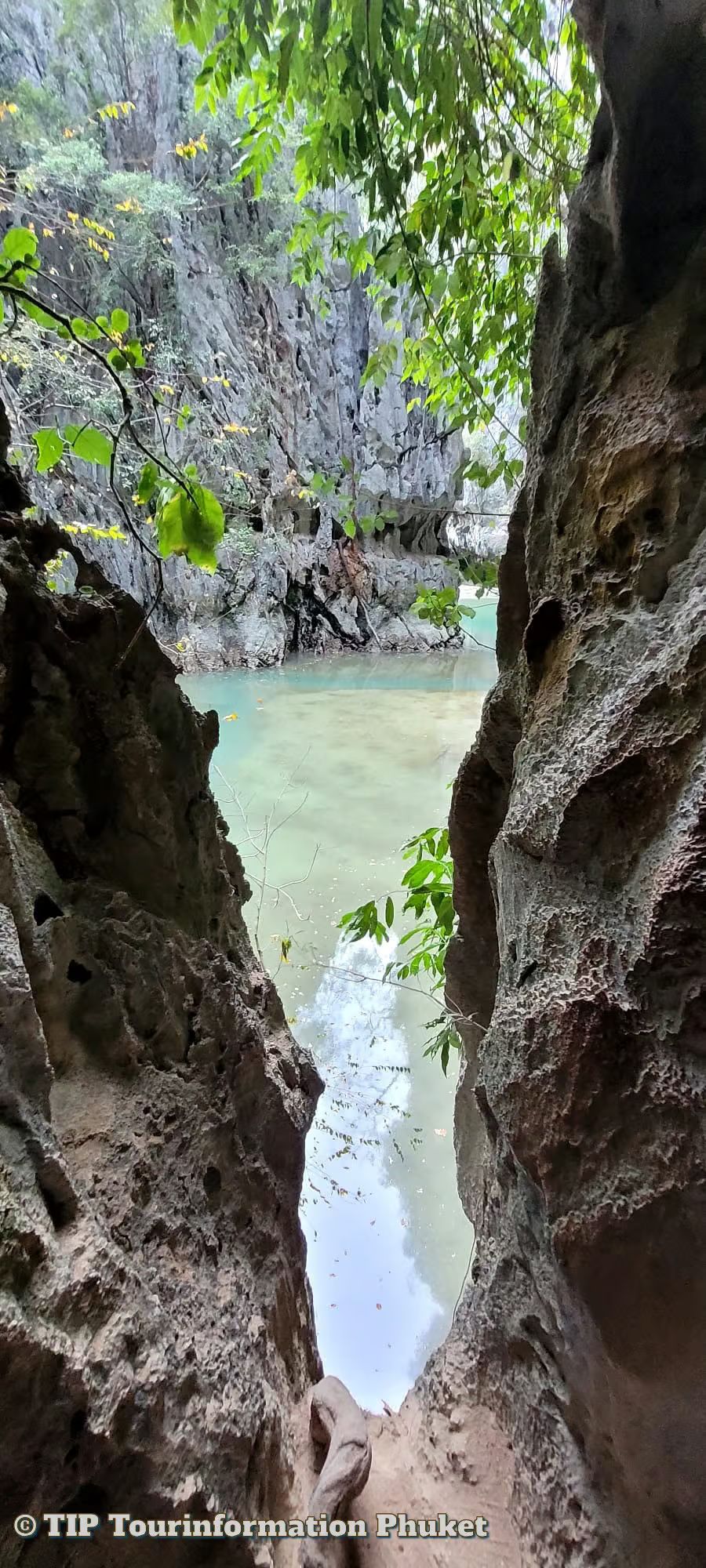
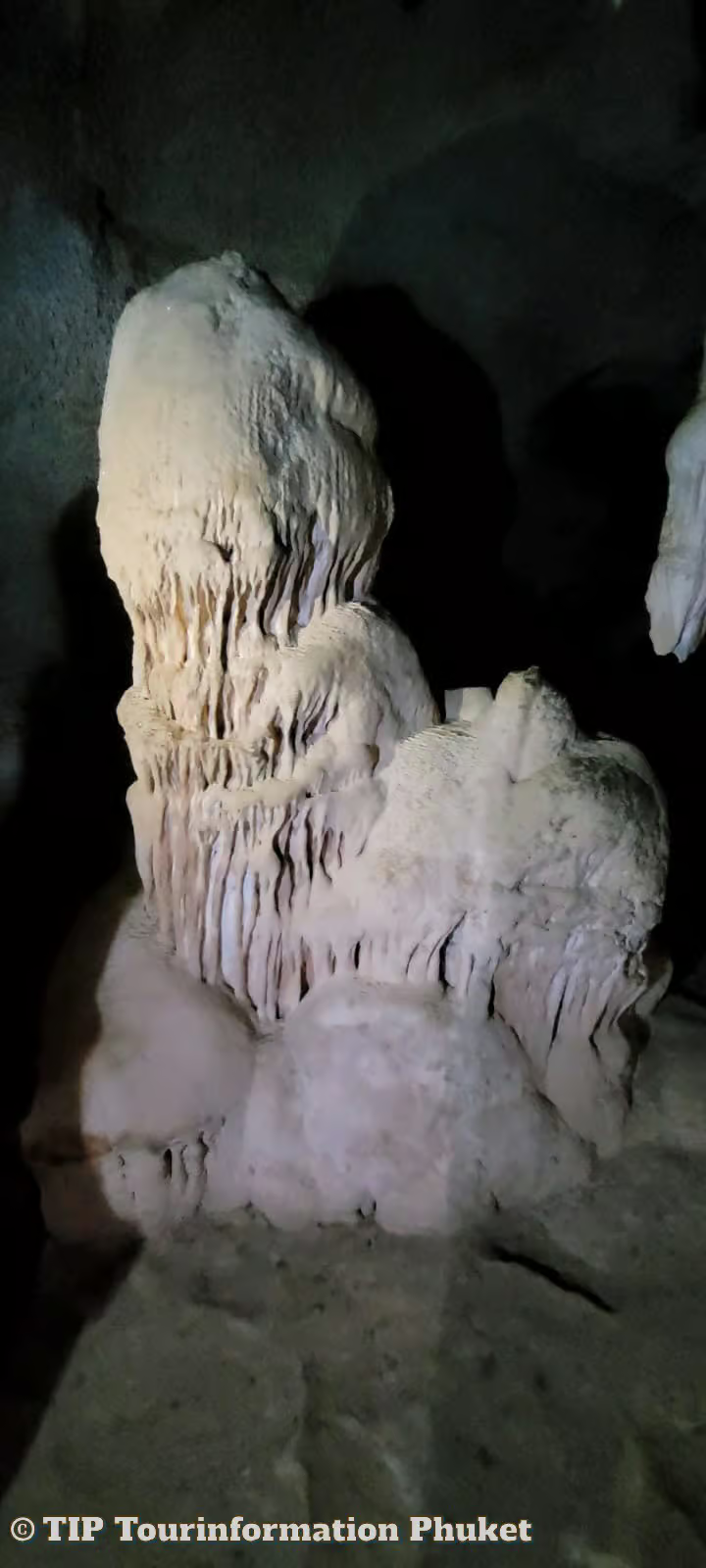
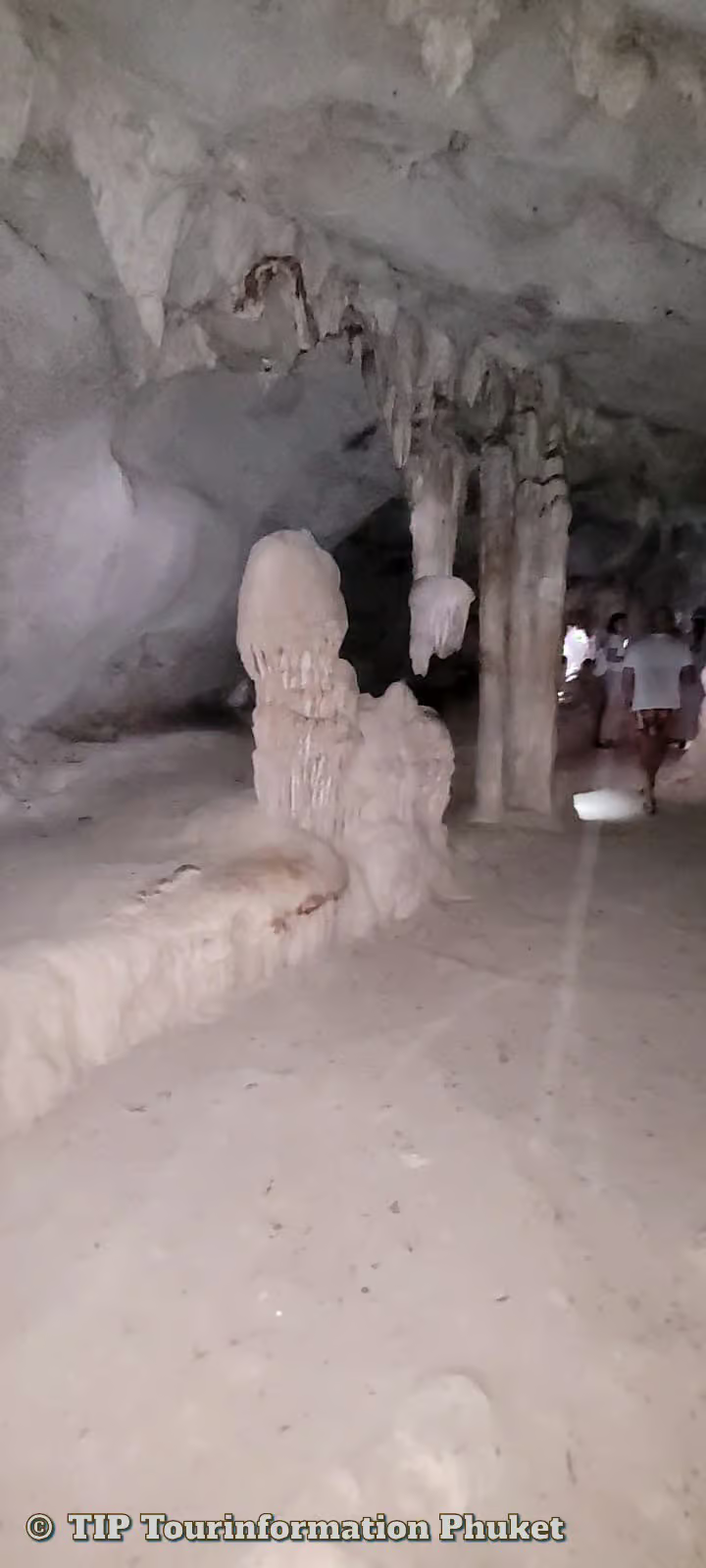
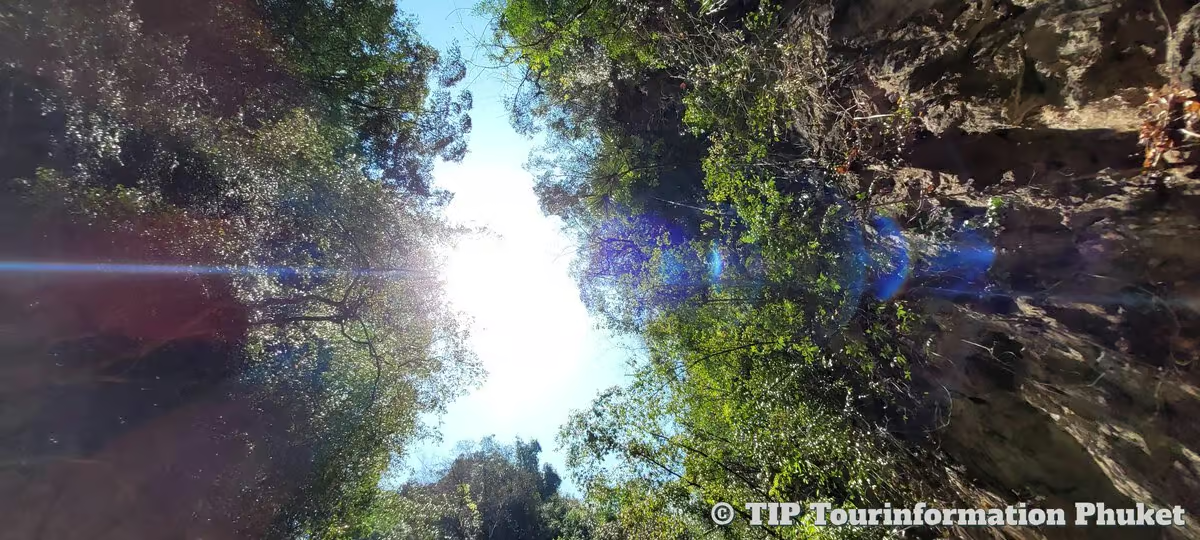
The Thai word hong means “room”, and that is exactly what these hidden lagoons feel like: natural rooms inside the rock. You enter through a low cave passage, then suddenly the space opens into a circular lagoon surrounded by cliffs. The motor noise disappears, and for a few minutes you hear only paddles, birds and dripping water.
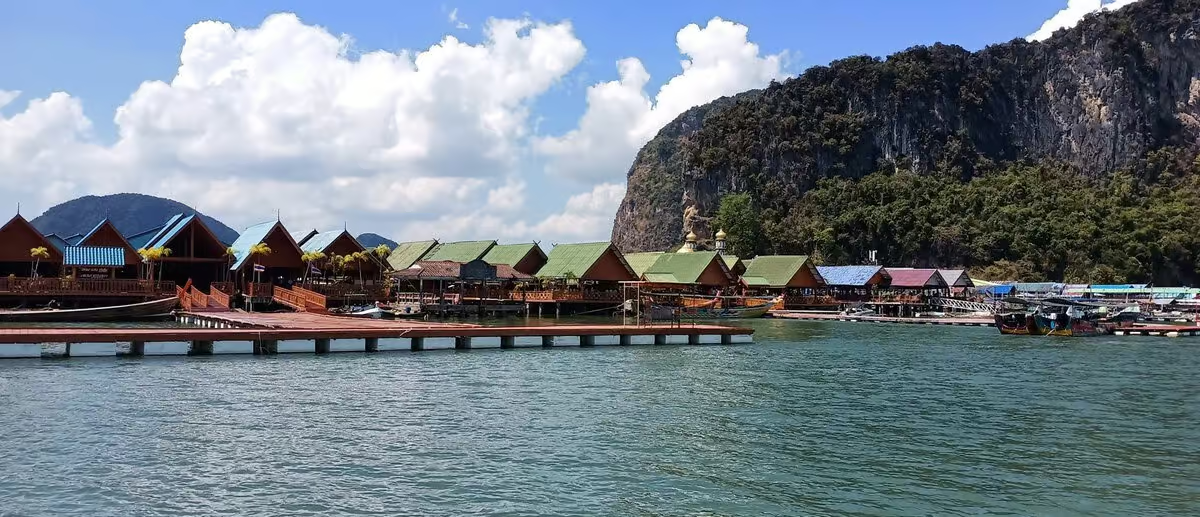
The name Koh Panyee, also spelled Koh Panyi, is a Muslim fishing village built on wooden stilts over the water. Many James Bond Island tours stop here for lunch. At first glance, the village can feel busy because several tour groups arrive around midday. But if you walk away from the main restaurant area, you can still see daily life: children going to school, families repairing boats, small shops, prayer times at the mosque and narrow wooden walkways between homes.
Lunch is usually served in a stilt restaurant. Expect rice, curry, stir-fried dishes, chicken, fish, vegetables and fresh fruit. It is not fine dining, but eating with the bay below your feet and limestone cliffs in the background is part of the experience.
One of Koh Panyee’s best-known sights is its floating football pitch. It was originally built because the children had no flat land to play on. Today it has become a symbol of village creativity and one of the most photographed places in the bay.
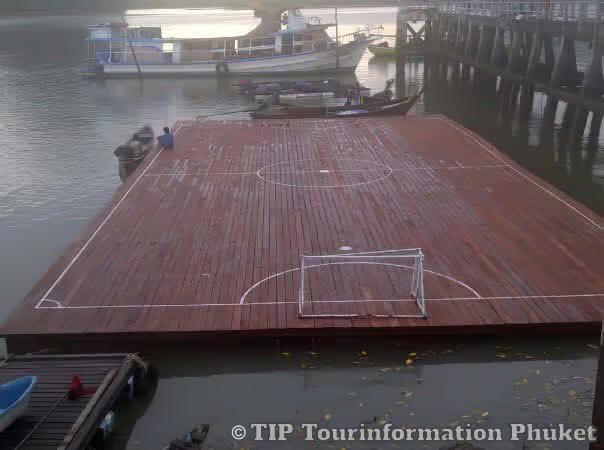
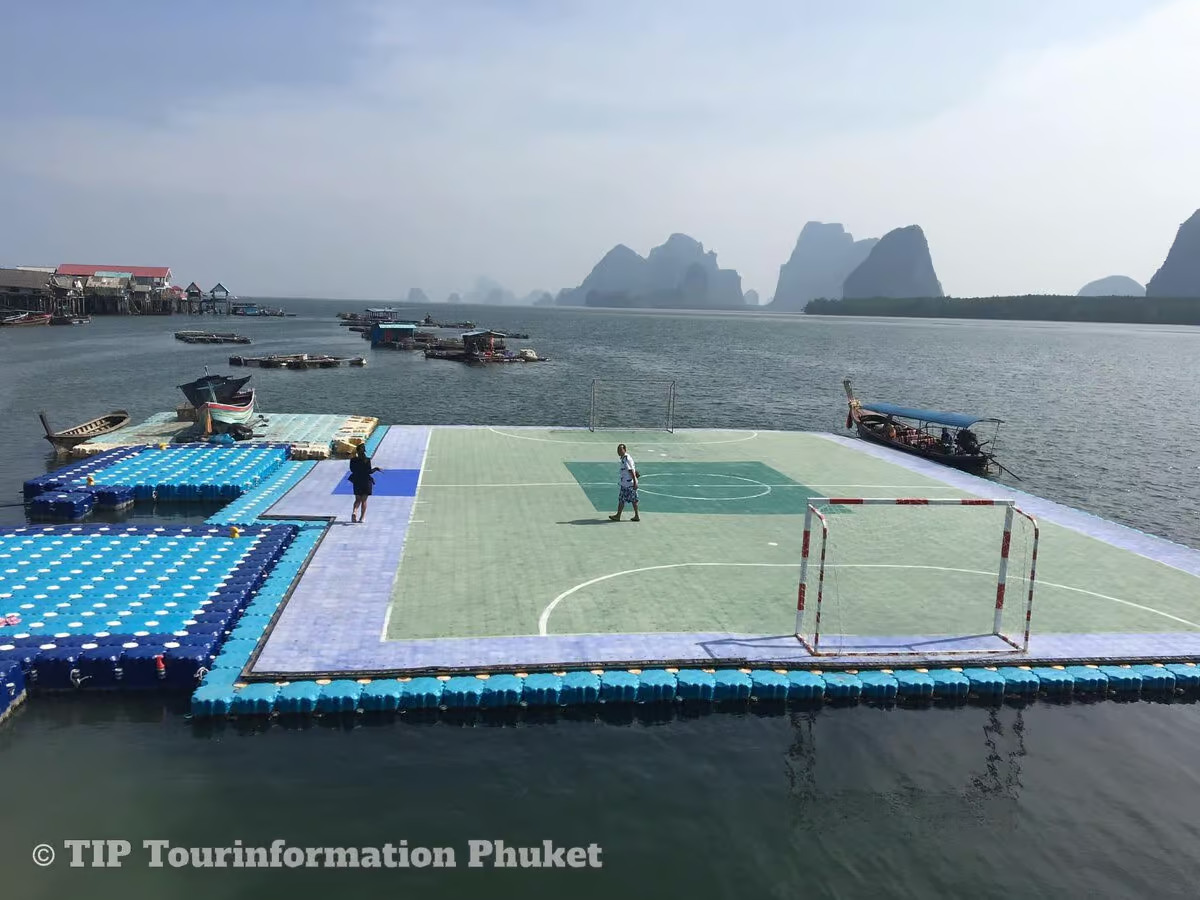
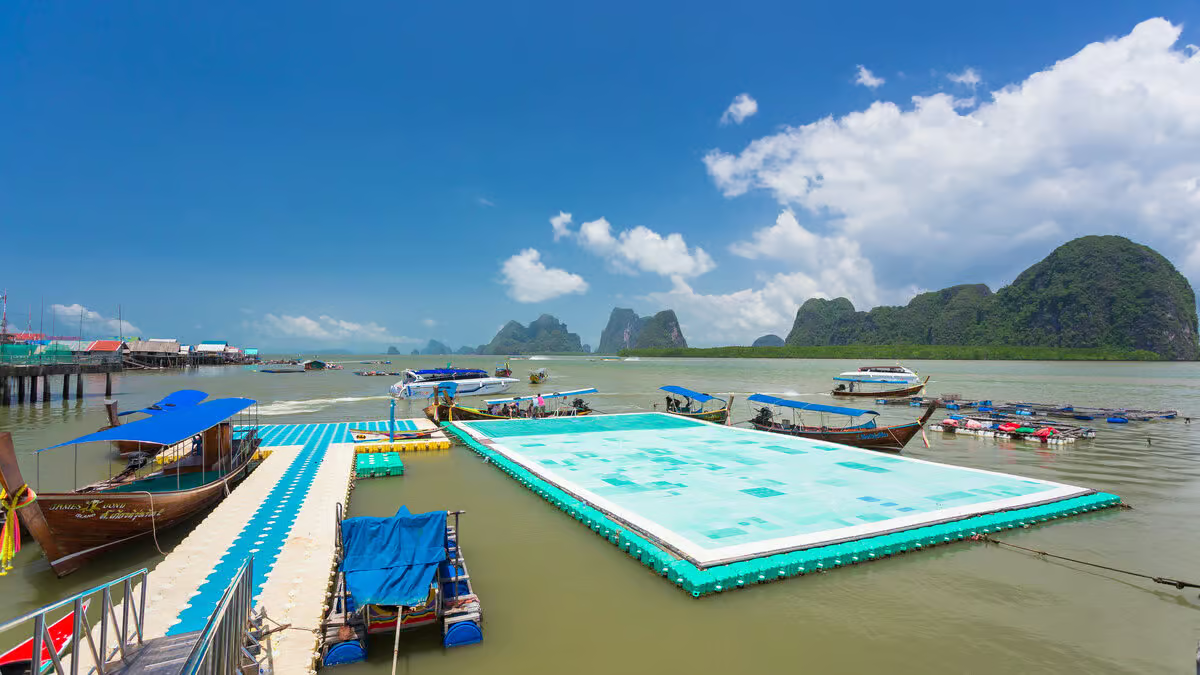
Koh Panyee is not only a tourist stop; it is a real village. Dress respectfully, especially near the mosque. Ask before photographing people closely, and avoid blocking narrow walkways when groups are passing.
After arriving at James Bond Island, you step onto Khao Phing Kan, the island visitors can explore. The walk is short and usually takes 20 to 30 minutes, but do not rush it. The first viewpoint is the most crowded, while smaller paths and lower beach areas often give better angles of Ko Tapu.
The island name Khao Phing Kan can be translated as “leaning hills” or “hills leaning against each other”. You will understand the name when you see the giant limestone slabs that appear to lean into one another.
Some of the best photos are taken from the boat before arrival. As the boat moves, Ko Tapu changes shape against the background cliffs. On calm days, the reflections on the water can be better than the classic beach shot.
Ko Tapu is tall and narrow. A vertical photo often works better than a wide landscape shot. Place a person in the lower part of the frame to show the scale of the rock.
The leaning limestone walls, roots, cave textures, longtail boats and small beach corners often tell a more personal travel story than the famous postcard angle alone.
Most groups move quickly. If you wait a few minutes, you may get a clean photo without people in the foreground.
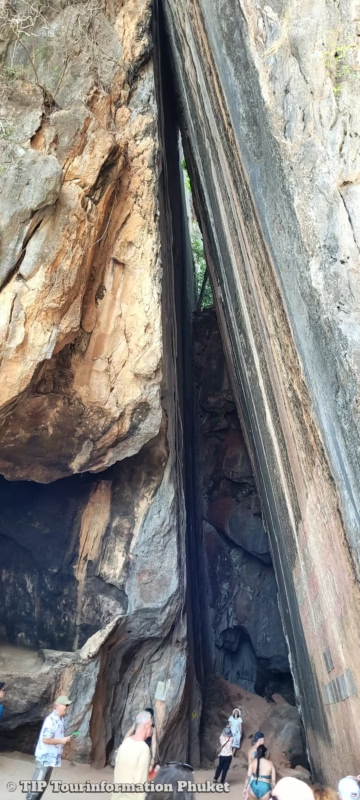
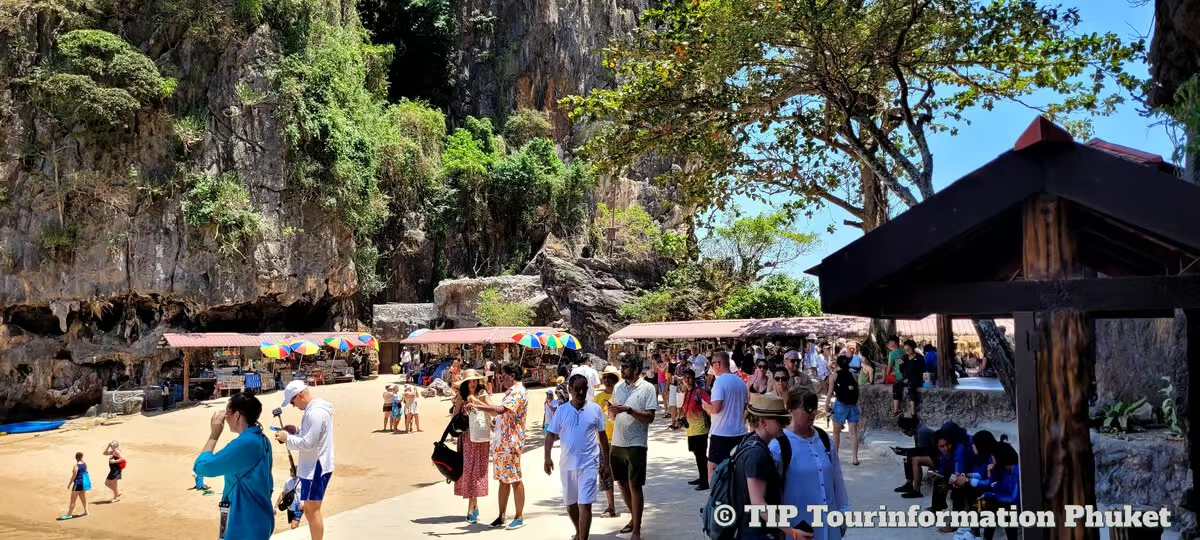
Compared with our first visits, the tour today is much better organised. Modern marinas, clearer safety briefings, improved boat operations and better-managed visitor routes make the trip easier for most guests. At the same time, the national park has introduced stricter rules to protect the fragile limestone and control access to Ko Tapu.
The natural scenery remains the main reason to go. The cliffs, caves, mangroves and emerald water still create one of the most dramatic landscapes in Thailand. What has changed is the number of visitors. During high season, timing matters. Early departures, private tours or late-afternoon programs can make a big difference.
If you prefer quieter coastal scenery with fewer crowds, consider adding or comparing a separate trip to Koh Yao Yai. If you want a cultural day on land after a boat tour, combine another day with Phuket Old Town, Wat Chalong or Big Buddha Phuket.
Some of the best photos are taken from the boat before arrival. As the boat moves, Ko Tapu changes shape against the background cliffs. On calm days, the reflections on the water can be better than the classic beach shot.
A speedboat is the best choice if you want to cover several highlights in one day. The ride is faster and more exciting, but also louder and sometimes bumpier. It usually suits active travellers who want Panak Island, Hong Island, Koh Panyee, James Bond Island and a beach stop in a single day.
Premium speedboat tours usually focus on better service, more comfortable logistics and selected stops. They can be a good option if you want the speedboat route but prefer a more polished experience.
A longtail boat is slower and more traditional. It is not always the fastest way to visit, but it can feel more authentic and closer to the local rhythm of the bay. If this is the style you prefer, read more about longtail boat tours from Phuket or check the specific James Bond Island by longtail boat option.
Inclusions depend on the selected package, but most quality full-day tours include the essentials below.
Before booking, always check three things: whether the national park fee is included, whether canoeing is included, and whether your hotel area is inside the free transfer zone.
Large booking platforms are useful for comparing many offers quickly, but they rarely explain the small local differences that matter on the day: which pier is better for your hotel, which boat suits children, which tour is easier for seniors, which program is more flexible with tides, and when James Bond Island is less crowded.
Our advantage is local experience. We know the bay from repeated visits over more than 25 years, and we update our recommendations when routes, piers, operators or visitor conditions change. If you are unsure which tour fits you best, contact us before booking. A short local recommendation can save you from choosing the wrong boat type.
Early tours are best for fewer people and softer light. Late-afternoon programs can also be beautiful, especially when the main tour groups begin to leave.
November to April is usually the best period for calmer sea and clearer skies. From May to October, the bay is greener and less crowded, but weather changes are more likely.
The tour is generally family-friendly. For young children, a big boat is often the easiest choice because there is more space and shade. Ask about child life jackets before departure.
A big boat is usually more comfortable, but James Bond Island itself has uneven paths, steps, sand and sometimes wet surfaces. If mobility is a concern, ask us before booking so we can recommend the most suitable option.
Most tours take around 8 to 10 hours including hotel pickup and return transfer. The exact duration depends on your hotel location, boat type, pier, sea conditions and route.
A big boat is more stable and relaxed. A speedboat is faster and covers more stops. A longtail boat feels more traditional and atmospheric. The best choice depends on your comfort level, travel style and expectations.
Canoeing is included in many James Bond Island tours, especially at Hong Island or Panak Island. However, not every package includes it. Always check the tour details before booking.
No. Many speedboat and premium tours include Koh Panyee, while some big boat programs have lunch on board instead. If the floating village is important to you, choose a package that clearly lists Koh Panyee.
In many full-day packages, the Ao Phang Nga National Park fee is included. Some budget tours may require payment in cash on the day. Check the inclusion list before confirming.
Yes. Visitors can walk on Khao Phing Kan, the main island. The famous rock Ko Tapu cannot be touched or climbed because it is protected.
James Bond Island is mainly a sightseeing and photo stop, not a swimming beach. Some tours include a separate beach or swimming stop at places such as Naka Island or Yao Island, depending on the route.
Yes, the tour is usually suitable for children. For families with young kids, we often recommend the big boat option because it offers more space, shade and a more relaxed pace.
Many seniors enjoy the tour, especially by big boat. However, getting in and out of boats, walking on wet surfaces and using canoes can require some mobility. Ask us before booking if you need an easier option.
Wear light clothing, swimwear underneath, sandals or shoes with grip, and sun protection. If you visit Koh Panyee, dress respectfully because it is a Muslim village.
The best season is generally November to April. The sea is usually calmer and the weather is drier. The green season from May to October can still be beautiful, with fewer visitors and dramatic skies.
Yes, private or semi-private options are often available, especially by longtail boat or private speedboat. This is the best choice if you want more flexibility, better photo timing or a slower pace.
If you want the easiest option, start with the tour comparison and check which boat type fits your travel style. If you are unsure, ask us. After many years in Phang Nga Bay, we can usually recommend the right tour after just a few questions about your hotel location, age group, comfort level and preferred pace.