

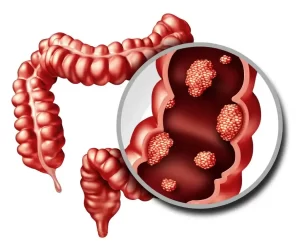
 Colon and rectal surgery, commonly known as colorectal surgery, is a broad field of medical operations used to treat various ailments that affect the lower part of the gastrointestinal tract. These diseases include colon cancer, rectal cancer, colitis, Crohn’s disease, twisting of the colon (volvulus), diverticulitis, anal fissures, hemorrhoids, rectal prolapse, and large polyps.
Polyps are growths that protrude from the inner wall of the large bowel. While not all polyps develop into cancerous tumors, an individual with polyps is usually at a higher risk for developing colorectal cancer. Some of these colorectal ailments like volvulus, result from acute symptoms that need emergency treatment procedures. Colon cancer takes a long time to get noticed as they grow gradually. A routine colonoscopy can identify colon cancer.
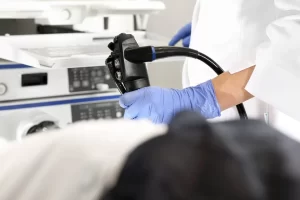
A screening colonoscopy is a recommendation for individuals 50 and up and those with higher risk factors. This procedure is also for individuals under 50 who are experiencing gastrointestinal bleeding. Having routine screening is essential in identifying pre-cancerous polyps removed endoscopically to prevent growing into cancerous tumors. A primary care doctor or a gastroenterologist does a routine colonoscopy. If the treatment path recommends surgery, the case gets forwarded to a surgeon.
 The colon and rectum are tasked with the removal of solid waste from the digestive tract. These organs are susceptible to several diseases among them colon polyps, colitis, Irritable Bowel Syndrome, Crohn’s disease, and colorectal cancer. Colon polyps and colorectal cancer are successfully treated using surgery. Robotic colon and rectal surgery is a minimally invasive procedure offered in situations where robotic surgeons determine the safety and benefits for patients. Like any other minimally invasive method, robotic colon and rectal surgery depend on small incisions that can minimize the rates of complications compared to open surgery or large incision.
The robot enables finer rectum dissections, considering how tight the space of their location is. Robotic colorectal surgery is a treatment option recommended for colon cancer, rectal cancer, diverticulitis, and inflammatory bowel disease. Robotic colon and rectal surgery offer various benefits over laparoscopy. It is often preferred because of the reduced rate of complications after surgery, faster recovery, less pain, and returning to work earlier. Minimally invasive robotic surgery achieves high success levels in treating these conditions because it is more accurate and able to access these organs considering their location.
 The colon and rectum function can be impaired by several diseases. Colorectal surgery is prescribed for different types of diseases affecting the lower colon (sigmoid) and rectum including colon polyps, colitis, hemorrhoids, diverticulitis, inflammatory bowel disease, and colorectal cancer. Colorectal surgery removes the affected part or all of the colon and/or rectum. Diverticulitis is the most common ailment of the sigmoid colon. Other ailments include inflammatory bowel disease and hemorrhoids. The colon and rectum can also be afflicted by different types of colon and rectal cancers. The general term used for these cancers is colorectal cancer. These types of cancers are treated by removing part or all of the diseased colon or rectum. These surgical operations include Colectomy, Colostomy, Hemorrhoidectomy, Ileal Pouch Anal Anastomosis (J-Pouch), and Rectopexy.