
Parathyroid

Overview

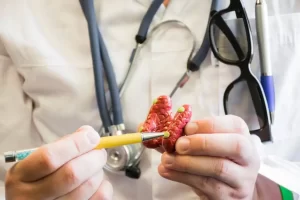
djt parathyroid 1 1024x683The parathyroid glands are located behind the thyroid glands in the neck, near the sternal notch. The parathyroid gland can malfunction and start secreting too much parathyroid hormone in a condition known as hyperparathyroidism. The parathyroid glands make parathyroid hormone (PTH), which controls the levels of calcium in the body. Parathyroid glands can also get attacked by cancer cells. Signs and symptoms may include nausea, loss of appetite, muscle pain, and fatigue. There is no medication available to cure parathyroid disease.

Diseases and disorders of the parathyroid are primarily treated with surgery. Parathyroid surgery is also used to treat disorders such as hyperplasia and adenoma removal. The removal of the parathyroid gland is called a parathyroidectomy. In this procedure, the surgeon removes one or all four of the parathyroid glands.

This minimally invasive surgery typically lasts for 30 minutes to an hour accordingly. Dr. Tierney has vast experience with parathyroid gland surgery.

Related Procedures

Radio guided surgery

Radioguided surgery (RGS) is a technique in which a radiolabeled tracer is administered to the patient before the surgery that emits radiation that can be detected intraoperatively to provide vital and real-time information to the surgeon regarding the location and extent of disease.

Endoscopic surgery

This procedure uses a small camera fitted an endoscope to view and remove the affected glands.

Robotic parathyroid surgery

Robotic arms are used by the doctor to create incisions and remove tumors.

Open surgery

This type of parathyroid surgery involves the surgeon making a large incision to remove tumors from the throat.

Before surgery

The steps followed before surgery are:

  • An office visit for surgical consultation where a comprehensive history and physical exam is performed.
  • Completion of clinical tests for workup and staging.
  • Multidisciplinary tumor board review for an expert recommendation regarding treatment strategy.

After surgery

The type of surgical procedure done determines the kind of post-surgery care required. Post care after a surgical operation involves:

  • A brief admission to the ICU is sometimes required for complex procedures such as a whipple procedure. Recovery then continues in the hospital ward for another three to five days. Procedures performed robotically typically have a faster recovery and can expect discharge from the hospital one or two days earlier than after open procedures. 
  • The goals of postoperative care include: monitoring for and intervening on any complications that can occur, awaiting the resumption of normal bowel function, maintaining adequate hydration and nutrition, physical and occupational rehabilitation, and providing adequate pain control. Once these measures are met, the patient will be discharged from the hospital. Post-operative follow-up will be scheduled one week from discharge with Dr. Tierney.

Frequently Asked Questions About Parathyroid Surgery

There are usually four parathyroid glands, each about the size of a grain of rice, sitting behind the thyroid in the neck. They produce parathyroid hormone, which controls the level of calcium in the blood by drawing it from bone, absorbing it from food and conserving it in the kidneys. In primary hyperparathyroidism one gland, occasionally more, becomes overactive and produces too much hormone, raising blood calcium. In roughly eight out of ten cases this is caused by a single benign growth called an adenoma, which is why surgery is often a small, targeted operation rather than an extensive one. Parathyroid cancer exists but is very rare.

Most people have none. The great majority of cases today are picked up when a routine blood test shows a raised calcium level in someone who feels well, which is a change from how the condition used to present. When symptoms do occur they are easy to attribute to something else: tiredness, low mood or difficulty concentrating, aches in the muscles and bones, constipation, nausea, poor appetite and increased thirst. The effects that matter most often develop quietly. Calcium drawn out of the skeleton thins the bones and raises the risk of fracture, and calcium passing through the kidneys can form stones. That is why treatment is sometimes recommended even when someone feels well, and why bone density and kidney imaging form part of the assessment.

Diagnosis is made on blood tests showing a raised calcium alongside a parathyroid hormone level that is high or inappropriately normal, with other causes excluded. Once confirmed, imaging such as ultrasound and a sestamibi scan is used to locate the overactive gland, which allows a more targeted operation. Surgery is the only treatment that cures primary hyperparathyroidism. Medication can lower calcium but does not resolve the underlying problem. Surgery is generally recommended when calcium is significantly raised, when there is bone thinning or kidney stones, when kidney function is affected, in younger patients, and when symptoms are present. Some people with mild disease and no complications can reasonably be monitored instead.

When imaging identifies a single overactive gland, the operation is usually targeted and brief, often under an hour, through a small incision. Only the abnormal gland or glands are removed; the healthy ones are left in place, since removing all four would leave you unable to regulate calcium. Where imaging does not localise the problem, all four glands are examined. Hormone levels can be measured during the operation to confirm the overactive tissue has been removed before it finishes. Most patients go home the same day or after one night. The risks are the same as for thyroid surgery: injury to the nerves supplying the vocal cords, which can cause hoarseness and is uncommon, and a temporary drop in calcium afterwards as the remaining glands resume working, which is monitored and treated with supplements.