
Overview

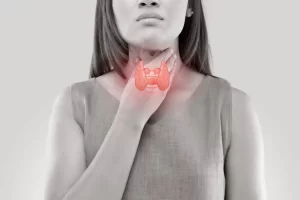
djt thyroid 1 1 1024x683The thyroid gland is located in the neck near the sternal notch. This gland is responsible for releasing hormones that control metabolism. Many conditions get treated through thyroid removal surgery. These glands can develop diseases such as Graves’ disease (hyperthyroidism), goiter, recurrent thyroid cysts, thyroid nodules, and thyroid cancer. Individuals need to get in touch with a doctor as soon as they notice signs and symptoms.

A thyroid specialist might prescribe certain medications to address some low-risk disorders. However, certain situations may require a more invasive procedure involving the removal of the thyroid gland.

Thyroid surgery, also known as thyroidectomy, removes all or part of the thyroid/parathyroid glands. This procedure is often the treatment prescribed for thyroid diseases. The complexity of the surgery depends on the severity of the disease process. With specialized forms of equipment, the doctor can undertake thyroid surgery while ensuring that. The method also leads to shorter
stays in the hospital compared to other techniques and provides for minimal postoperative scarring.

Fortunately, a minimally invasive, and reliable solution through robotic thyroid surgery is available at Dr. Tierney’s surgical clinic.

Related Procedures

Total thyroidectomy

The procedure involves removing the entire thyroid gland.

Isthmusectomy

This procedure removes the bridge of the thyroid tissue between the two lobes; used specifically for small tumors that are located in the isthmus.

Lobectomy

This procedure removes a lobe of the thyroid gland.

Transoral thyroidectomy

This procedure removes the thyroid gland through small incisions in the mouth.

Endoscopic thyroidectomy

This procedure removes the thyroid gland to see precise anatomic details greatly magnified through and endoscopic camera.

Before surgery

The steps followed before surgery are:

  • An office visit for surgical consultation where a comprehensive history and physical exam is performed.
  • Completion of clinical tests for work-up and staging.
  • Multidisciplinary tumor board review for expert recommendation regarding treatment strategy.

After surgery

The type of surgical procedure done determines the kind of post-surgery care required. Post care after a surgical operation involves:

  • A brief admission to the ICU is sometimes required for complex procedures such as a whipple procedure. Recovery then continues in the hospital ward for another three to five days. Procedures performed robotically typically have a faster recovery and can expect discharge from the hospital one or two days earlier than open procedures. 
  • The goals of postoperative care include: monitoring for and intervening on any complications that can occur, awaiting the resumption of normal bowel function, maintaining adequate hydration and nutrition, physical and occupational rehabilitation, and providing adequate pain control. Once these measures are met, the patient will be discharged from the hospital. Post-operative follow-up will be scheduled one week from discharge with Dr. Tierney.

Frequently Asked Questions About Thyroid Surgery

The thyroid is a butterfly-shaped gland at the base of the neck that produces hormones controlling metabolism, meaning how the body uses energy. It can become overactive, as in Graves’ disease, or underactive. It can enlarge, forming a goitre that may press on the windpipe or oesophagus. It can develop nodules, which are extremely common and usually harmless, though a small proportion are cancerous and need investigation. Thyroid cancer is generally among the more treatable cancers, particularly the common types. Many thyroid conditions are managed with medication or monitoring, and only some require surgery.

Surgery is considered when a nodule is cancerous or suspicious on biopsy, when a goitre is large enough to cause pressure symptoms such as difficulty swallowing, breathing or a visible swelling, when an overactive thyroid cannot be controlled by medication or radioactive iodine, or when a nodule keeps recurring after being drained. The extent of surgery depends on the problem. A lobectomy removes half the gland and is often enough for a single nodule confined to one side. A total thyroidectomy removes the whole gland and is used for cancer, large goitres and Graves’ disease. Assessment usually involves blood tests, an ultrasound and often a needle biopsy before any decision is made.

Thyroid surgery is generally safe, and two specific risks deserve explanation because they are particular to this operation. The nerves that control the vocal cords run immediately behind the thyroid, and injury to one can cause hoarseness or a weak voice. Temporary hoarseness is not unusual and settles; permanent voice change is uncommon, and it is the reason the nerves are deliberately identified during surgery rather than avoided by guesswork. The parathyroid glands, which control calcium, sit just behind the thyroid and can be bruised or inadvertently removed during a total thyroidectomy, causing low calcium. This is usually temporary and treated with calcium and vitamin D, but a small number of patients need long-term supplementation. Both risks are higher when the operation is for cancer, when the whole gland is removed, and when it is a second operation on the same area. General risks include bleeding, which very rarely causes swelling in the neck needing urgent attention, and infection.

Most patients stay one night, and some go home the same day. Expect a sore throat and neck discomfort for several days and a scar that fades considerably over the following months. Most people return to normal activity within one to two weeks. If the whole gland is removed you will need thyroid hormone replacement for life, taken as a single daily tablet, with blood tests to get the dose right. If only half is removed, the remaining lobe is often enough on its own, though some patients still need replacement. Calcium levels are checked after a total thyroidectomy, and supplements are given if needed.