

Liver Resection Surgery
Overview
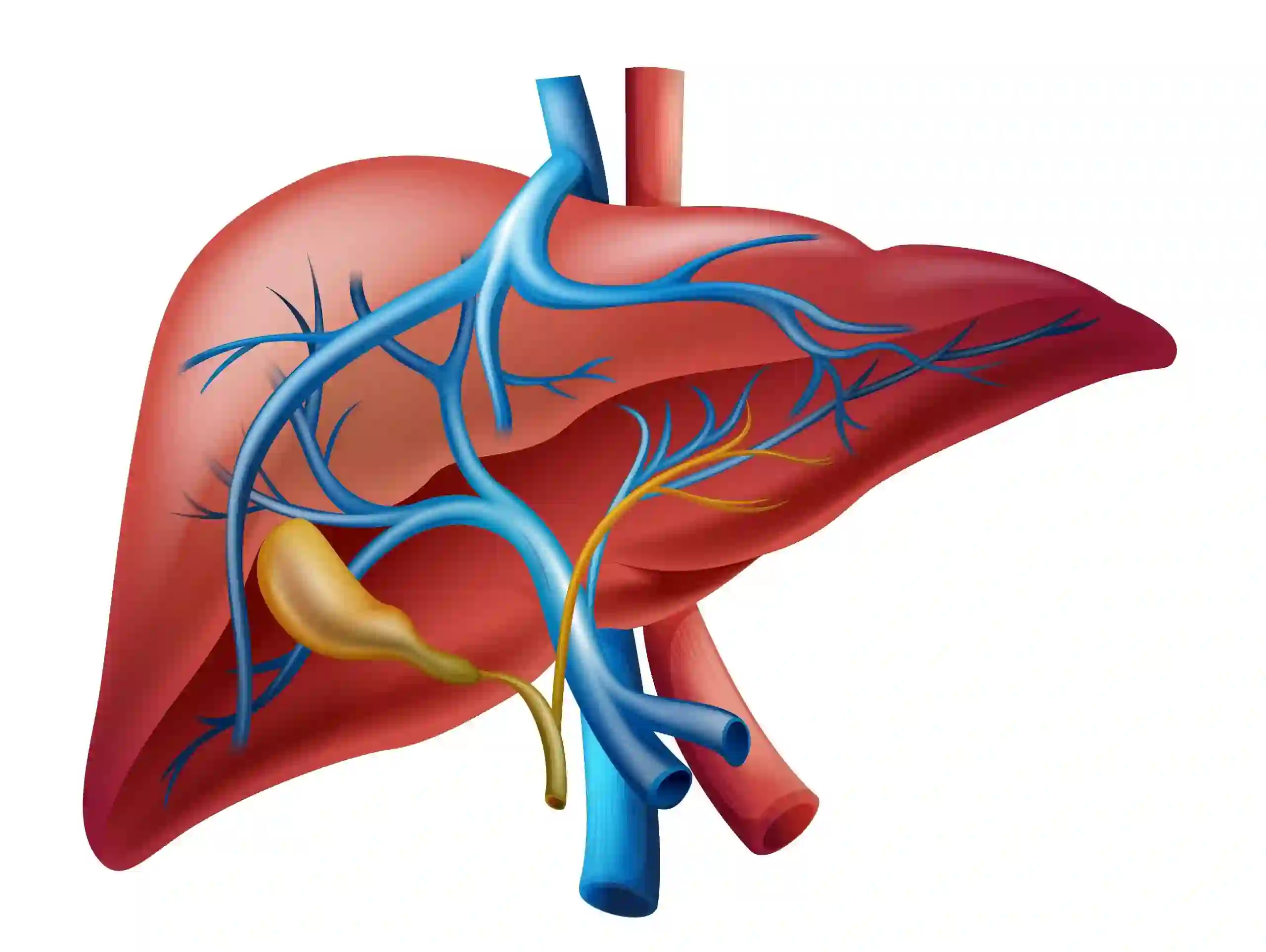 The liver is the body’s largest internal organ. It plays a vital role in digestion, producing bile to breakdown food. It also plays a crucial role in eliminating waste by breaking down toxins before they are flushed out. The liver is also a production center for several enzymes crucial to metabolism. Liver cancer is one of the common cancers and is often fatal if not diagnosed and treated early enough.
Liver resection is the surgical removal of all or a portion of the liver. It is also referred to as a full or partial hepatectomy. The amount of tissue that will be removed depends on the size and location of the tumor(s). Liver resection is an effective approach for the treatment of different complications that affect the liver.
Related Procedures
Whipple procedure
The Whipple method involves removing a part of the bile ducts, gallbladder, and pancreas.
Cholecystectomy
This refers to the process of removing the gallbladder.
Pancreatic resection
This is the process of removing the head of the pancreas.
Before surgery
Patient preoperative preparations include:
- An office visit for surgical consultation which includes a comprehensive history and physical, discussion of the details of the treatment plan, tests, and surgical procedure.
- Completion of clinical tests for workup and staging.
- Multidisciplinary tumor board review for an expert recommendation regarding treatment strategy.
After surgery
Generally, post-surgery care involves;
- A brief admission to the ICU may be required for complex procedures. Recovery then continues in the hospital ward for another three to five days. Procedures performed robotically typically have faster recovery and can expect discharge from the hospital one or two days earlier than after open procedures.
- The goals of postoperative care include: monitoring for and intervening on any complications that can occur, awaiting the resumption of normal bowel function, maintaining adequate hydration and nutrition, physical and occupational rehabilitation, and providing adequate pain control. Once these measures are met, the patient is discharged from the hospital. A post-operative follow-up office visit is typically scheduled one week from hospital discharge with Dr. Tierney.
Frequently Asked Questions About Liver Resection
What does the liver do, and how can part of it be removed safely?
The liver produces bile to help digest fat, breaks down toxins and medications so they can be cleared from the body, stores energy, and makes proteins essential to clotting and metabolism. It is the largest internal organ and the only one that regenerates. That regeneration is what makes resection possible: when a portion is removed, the remaining liver grows to take on the work of the whole. Most of that growth happens in the first few weeks, and the process is largely complete within about three months. How much can safely be removed depends on how healthy the remaining liver is, which is why liver function and the volume of the future remnant are assessed carefully before surgery.
What conditions are treated with liver resection?
Most liver resections are performed for tumours. These include cancers that begin in the liver, such as hepatocellular carcinoma and intrahepatic cholangiocarcinoma, and cancers that have spread to the liver from elsewhere, most commonly from the bowel. Removing bowel cancer that has spread to the liver is treatment given with the aim of cure, not simply to slow the disease, and this surprises many patients. Around four in ten people who have colorectal liver metastases removed are alive five years later, and long-term survival beyond ten years is well documented. Without surgery, survival for resectable disease is generally measured in months. Resection is also used for some benign tumours that are large, growing or causing symptoms, and occasionally for injury, infection or parasitic cysts.
Survival figures reflect published surgical series for colorectal liver metastases. Last reviewed September 2026.
Am I a candidate for liver resection?
Three things are assessed. First, whether the tumour can be removed completely, which depends on its size, its number and its relationship to the major blood vessels and bile ducts. Second, whether enough healthy liver will remain afterwards to function while it regenerates. Third, whether you are well enough for a major operation. Underlying liver disease such as cirrhosis reduces the amount that can safely be removed. If the future remnant would be too small, there are techniques to grow it before surgery, including blocking the blood supply to the part being removed so the remainder enlarges. An initial answer of no is therefore not always final.
What does the operation involve, and can it be done robotically?
The affected part of the liver is removed along with a margin of healthy tissue, and the cut surface is sealed. Liver resections are described by how much is taken, from removing a small wedge to removing an entire half of the liver. The main technical challenge is controlling bleeding, since the liver has a rich blood supply. Many resections can be performed robotically or laparoscopically through small incisions, which generally means less pain and a faster recovery. Larger or more central tumours, or those close to major vessels, may need an open operation. The approach is decided during planning and can change during surgery if that is safer.
What is recovery like, and what are the risks?
Most patients spend several days in hospital, and some need a short period in a higher-dependency area first. Recovery from a minimally invasive resection is generally quicker than from open surgery. Fatigue is common for several weeks as the liver regenerates, and most people are back to normal activity within about six to eight weeks, though your own timeline will be discussed with you beforehand. Risks include bleeding, infection, leakage of bile from the cut surface, and blood clots. The most serious risk is that the remaining liver does not cope in the early period, which is why the amount removed is planned so carefully in advance.