

Whipple Procedure
Overview
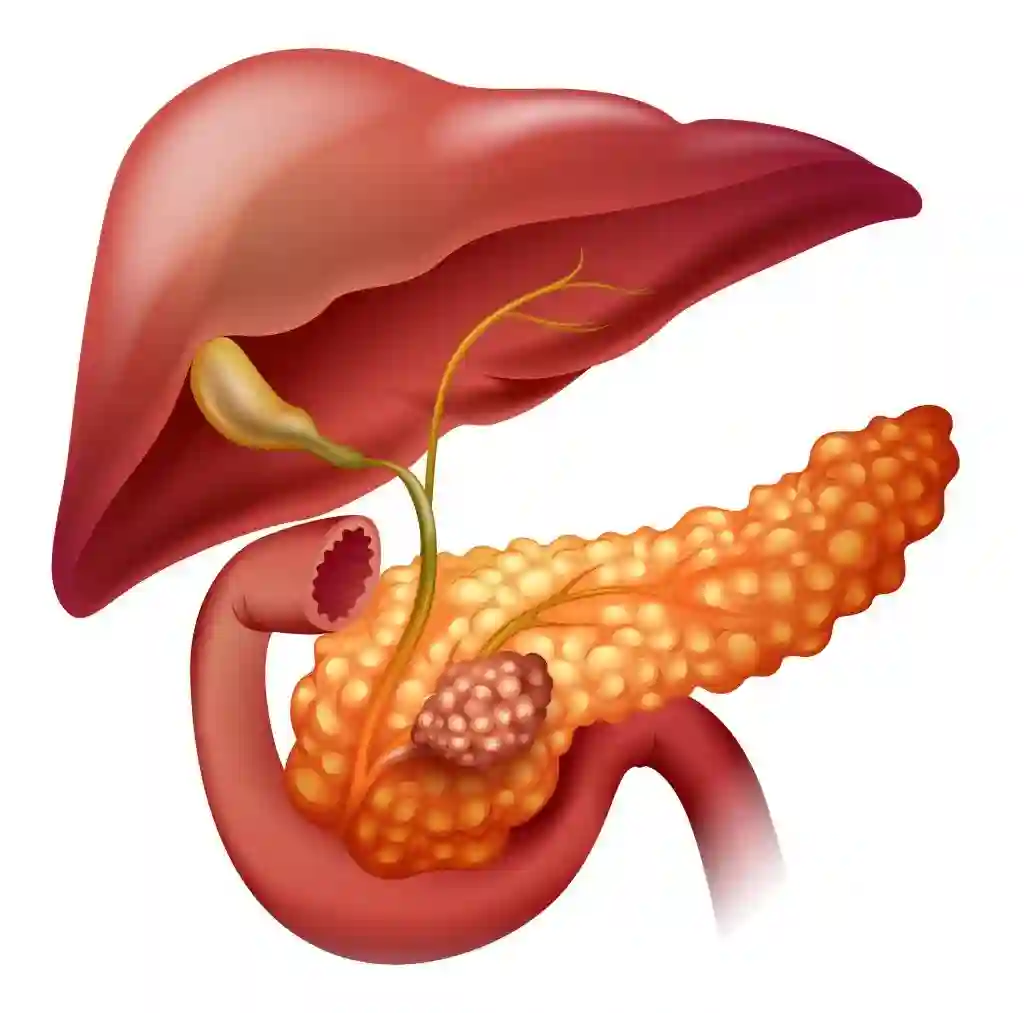
Renowned as a comprehensive approach to treat advanced pancreatic cancer, the Whipple procedure is a staple in HPB Surgery & Oncology. Often recommended when cancer has metastasized to neighboring organs like the small intestines, gallbladder, and bile ducts, it serves as an effective strategy to halt the disease’s progress. Pancreaticoduodenectomy, another name for the procedure, requires the removal of the pancreatic head, the duodenum, the distal bile duct, and the gallbladder, predominantly when the tumor is rooted in the pancreas’ head.
In the later stages of pancreatic cancer, the gallbladder, bile duct, and the small intestine’s initial section also bear the brunt of the disease. Implementing the Whipple procedure under such circumstances prevents the cancer from spreading further, necessitating the removal of all diseased tissue.
A proficient
Whipple surgeon
meticulously removes the affected organs and reconnects the remaining ones, effectively curbing the cancer’s advance. Top surgeons like Dr. Joshua Tierney, MD, skillfully perform the Whipple procedure, applying both open and robotic techniques, based on the patient’s needs and condition.
Looking for a
Whipple procedure in Loveland
could be a prudent choice for patients residing in or around the area, considering the accessibility to esteemed surgeons like Dr. Tierney. It is notable that a
Whipple surgeon in Loveland
like Dr. Tierney holds a reputation for excellence in the field, having mastered both open and minimally invasive approaches. In essence, opting for a
Whipple procedure surgeon in Loveland
ensures that you receive high-quality care from a well-regarded medical professional in the region.
Related Procedures
In the field of pancreatic surgeries, the Whipple procedure, scientifically known as pancreaticoduodenectomy, is a key procedure that patients and their families should understand. Performed by the
best Whipple surgeon
like Joshua Tierney, MD, this complex operation involves the resection of a portion of the stomach, the entire duodenum, and other parts of the digestive system that is why you need to be the
top Whipple surgeon
to perform this operation..
Among the various types of this procedure, the
robotic Whipple procedure
stands out due to its laparoscopic approach. This innovation in surgical methodology, pioneered by some of the
best robotic Whipple surgeons
, can lead to fewer complications and improved post-surgery recovery. Dr. Tierney, being one of the
top robotic Whipple surgeons
, has made significant contributions in this field.
Preoperative planning and neoadjuvant chemotherapy are important components of the surgical timeline. It is crucial to have a multidisciplinary team of experts, including an oncologist, a dietitian for nutritional guidance, and the surgeon who will review the case.

The sections below detail the intricacies of these procedures:
Total Pancreatectomy
This procedure removes the whole pancreas together with the small intestines, gallbladder, and spleen. It is possible to live without the pancreas but one must depend on a lifetime of insulin shots and oral enzymes.
ENDOSCOPIC RETROGRADE CHOLAGIOPANCRE-ATOGRAPH (ERCP)
This procedure is typically the first intervention for the treatment of chronic pancreatitis. Through ERCP obstructing stones in the pancreatic duct can be removed and narrowed areas in the pancreatic duct (strictures) can be stented. Some patients do not respond or only temporarily respond to ERCP, at which point they are considered for surgery.
Frey procedure
This procedure is good for patients who have severe inflammation in the head of the pancreas with associated dilation of the main pancreatic duct. It involves a top surgeon for Whipple procedure coreing out the tissue in the head of the pancreas and opening the main pancreatic duct along the length of the gland then sewing a piece of intestine over the cored-out region and the duct to improve drainage.
PEUSTOW PROCEDURE
When the main pancreatic duct is dilated more than 6mm, this procedure is performed. It involves opening the pancreatic duct over the length of the gland and suturing a piece of intestine to the duct so that it drains properly. This procedure can be very successful in select patients and can be performed robotically in a minimally invasive fashion by a top Whipple surgeon.
DISTAL PANCREATECTOMY WITH/WITHOUT SPLENECTOMY
This procedure is performed in cases where the disease is located in the body or tail of the pancreas. It involves the removal of that portion of the gland. The decision to remove the spleen is made based on whether or not the splenic vein has a clot in it. If the splenic vein is clotted due to the chronic inflammation in that region the spleen will be removed to prevent gastrointestinal bleeding in the future. This procedure can often be performed robotically by a top surgeon for Whipple procedure so the recovery is short.
These
robotic Whipple procedures in Loveland
carry their set of complications. Postoperative management is crucial to minimize these complications and manage mortality rates. Regular follow-up appointments are a key part of post-surgery care.
Statistics show that the number of Whipple procedures a year has risen, indicating an increase in detection rates and surgical expertise. Consultation with the surgeon may increase the chances of successful outcomes, as these surgeons are typically highly credentialed and experienced in the field.
The review of patients’ cases by a multidisciplinary team may suggest alternate treatment options, including the resection of pancreatic tumors in different stages.
Whipple Surgery Loveland
Joshua Tierney, MD, a top-rated specialist in this field, leads the team, leveraging his extensive experience and expertise to offer high-quality care to patients.
The Whipple surgery, also known as pancreaticoduodenectomy, is a complex technique primarily utilized to treat pancreatic cancer, targeting the head of the pancreas, the bile duct, and the part of the small intestine. This treatment option involves the surgeon working meticulously to remove the head of the pancreas and often parts of other digestive organs.
The surgery is performed by a highly skilled surgical team utilizing the laparoscopic method when suitable. The risk associated with this procedure is mitigated by our comprehensive approach to preoperative preparation and education, as well as our robust infrastructure and world-class hospital facilities.
This medical procedure has shown significant advance in the survival rate of pancreatic cancer patients. The operative outcomes have been widely recognized in various publications, showcasing our rating as a center of excellence for this surgical technique.
Dr. Joshua Tierney, MD, and his team understand the fear and uncertainty that accompanies a pancreatic cancer diagnosis. They value each patient’s unique journey and strive to provide a personalized recovery plan, inclusive of therapy, nutrition guidance, and pain management. This empathetic approach contributes to high patient satisfaction levels post-surgery.

Now, let us guide you through the comprehensive steps before and after the Whipple surgery:
Before surgery
The steps followed before surgery are:
- An office visit for surgical consultation where a comprehensive history and physical exam is performed.
- Completion of clinical tests for workup and staging.
Multidisciplinary tumor board review for an expert recommendation regarding treatment strategy.
After surgery
The type of surgical procedure done determines the kind of
post-surgery care
required. Post care after a surgical operation involves:
A brief admission to the ICU is sometimes required for complex procedures such as a whipple procedure. Recovery then continues in the hospital ward for another three to five days. Procedures performed robotically typically have a faster recovery and can expect discharge from the hospital one or two days earlier than after open procedures.
The goals of postoperative care include: monitoring for and intervening on any complications that can occur, awaiting the resumption of normal bowel function, maintaining adequate hydration and nutrition, physical and occupational rehabilitation, and providing adequate pain control. Once these measures are met, the patient will be discharged from the hospital. Post-operative follow-up will be scheduled one week from discharge with Dr. Tierney.
Frequently Asked Questions About the Whipple Procedure
What does the Whipple procedure involve?
The Whipple procedure, also called a pancreaticoduodenectomy, removes the head of the pancreas along with the duodenum, the gallbladder and the distal bile duct. These structures are taken together because they share a blood supply and sit in the same anatomical space. Once the diseased tissue is out, the remaining pancreas, bile duct and stomach are reconnected to the small intestine so digestion can continue. It is one of the more complex abdominal operations, and it can be performed open or robotically depending on the tumour and the patient.
Who is a candidate for the Whipple procedure?
The Whipple is considered when a tumour in the head of the pancreas, the distal bile duct, the duodenum or the ampulla can be removed completely. Candidacy depends mainly on whether the tumour involves nearby blood vessels and whether the disease has spread beyond the pancreas. If imaging shows the cancer has spread to the liver, the lining of the abdomen or other distant sites, surgery is generally not recommended, because it does not improve survival in that situation. Some patients who are not candidates at first become candidates after chemotherapy shrinks the tumour. Determining this requires dedicated imaging and review by a multidisciplinary team.
Is the Whipple used for cancers other than pancreatic cancer?
Yes. The same operation treats several cancers that arise in the same region, collectively called periampullary cancers. These include cancer of the ampulla of Vater, the distal bile duct and the duodenum. Because these structures sit together anatomically, the surgical approach is the same even though the cancers behave differently and carry different outlooks. The Whipple is also occasionally used for non-cancerous conditions, including some pancreatic cysts and selected cases of chronic pancreatitis.
What is the difference between a robotic and an open Whipple procedure?
Both operations remove the same tissue and rebuild the same connections. The difference is access. An open Whipple is performed through a single larger abdominal incision. A robotic Whipple is performed through several small incisions using instruments the surgeon controls from a console, which allows magnified three-dimensional vision and finer instrument movement. Patients who have a robotic Whipple often leave hospital a little sooner and have less wound pain. Not every patient is suitable for the robotic approach. Tumour position, involvement of blood vessels, body habitus and previous abdominal surgery all affect the decision, and an operation that begins robotically may be converted to open if that is safer.
How long does recovery take after a Whipple procedure?
Most patients spend several days on the surgical ward, commonly three to five, and some need a short period in intensive care first. Patients who have the operation robotically often go home a little sooner than those who have open surgery. A follow-up appointment is usually arranged around a week after discharge. Returning to normal activity generally takes six to eight weeks, and appetite and energy often take longer than that to settle. Recovery varies considerably between patients, and your own expected timeline will be discussed with you before surgery.
What are the risks and possible complications of the Whipple procedure?
The Whipple is a major operation and it carries real risk, which is why it should be done at a centre that performs it regularly. The most common specific complication is a pancreatic fistula, a leak from the join between the pancreas and the intestine, which sometimes needs a drain and a longer hospital stay. Other recognised complications include delayed gastric emptying, where the stomach is slow to resume working, bleeding, infection and blood clots. Longer term, some patients develop difficulty digesting fat and need pancreatic enzyme supplements, and some develop diabetes. These risks are discussed in detail during consultation, alongside the expected benefit in each individual case.
How will my life change after a Whipple procedure?
Most patients return to their usual activities, but there are lasting adjustments. Because part of the pancreas is removed, many patients need pancreatic enzyme capsules with meals to digest food properly, and some develop diabetes and need treatment for it. Smaller, more frequent meals are usually easier than large ones, particularly in the first few months. A dietitian is part of the care team for this reason. Many patients find that symptoms caused by the tumour, such as jaundice, pain or weight loss, improve after surgery.
What are survival rates after the Whipple procedure?
Outlook depends heavily on the type of cancer, its stage and whether the tumour was removed completely. For pancreatic cancer of the head of the pancreas that is resectable, five-year survival is around 20 percent when surgery is followed by chemotherapy, and reaches 20 to 25 percent in high-volume centres. Without chemotherapy after surgery it is closer to 12 percent, which is why the two treatments are used together. Periampullary cancers of the ampulla and the distal bile duct generally carry a better outlook than pancreatic cancer. These are population figures and they cannot predict an individual outcome, which depends on the specifics of each case and is discussed at consultation.