

Manage My Money is a mini series looking at ways in which to budget and save through investing in an Emergency Fund and other Unit Trusts.
In our previous article, we looked at unit trusts as a great way to store your emergency funds and invest for your short to medium term goals.
Finding which unit trusts fit your goals, needs a little research and understanding. Understanding what unit trusts are made up of, gives you some perspective of what to look out for.
The basics of Investing

Understanding the basics of investing, lays the foundation for you to know where your money is going and how it behaves in the market.
Risk plays a massive part with investing and it is important to know how risky each unit trust is. There are various unit trusts available that range from low risk to extremely high risk. How this is determined will be explained in this article.
What is Risk?

Risk is the possibility of something bad happening. In the investment world, risk is the activity of putting money in the market without fully knowing whether that money will grow or shrink and when this will happen.
It is important to understand risk itself is not a negative thing. If you played it safe on a long term investment and invested in only cautious funds after 5 or more years you are likely to be disappointed by the poor performance. Similar if you invested in a fund with high volatility over the short term you could find you are withdrawing your money with a negative return.
We need to see the connection to risk and timeframe. The amount of risk you can or should take depends on your investing timeframe and goals.
Understanding the Risk Ladder
Before you start investing money, you need to understand the various asset classes. Asset classes is the grouping of investments that have similar characteristics.
There are 4 main asset classes and they all differ in the amount of risk they hold. We have arranged them from low risk to high risk below:
Cash

Cash is the simplest and safest investment asset. Cash assets allow investors to earn a steady interest on their investment.
Cash has the least risk out of all the asset classes but it also offers the lowest return. Think of it similarly to a bank. You keep cash in your bank account, and it grows at the specific interest rate. In the cash market, your money seldom drops below its initial value but won’t grow as much as the other asset classes.
Bonds are debt instruments representing a loan made by one person to another. Bonds are usually made by companies and the government.
For example, an investor would take out a bond with the government by lending money to the government for a specific period. They will then receive payments of interest throughout this period.
This is an example of one type of bond. Bonds are relatively low risk and offer a return slightly higher than cash. The trade off here is that bonds are fixed and less flexible.
Bonds

Property

Property (also known as Real Estate) can be purchased commercially or residentially just like you may have bought or rented your house.
This can also be done on an investment scale where you can buy shares in a real estate investment company.
There is also investments in which a group of investors pool their money together and buy actual properties. So when you are investing in property, you could be buying a property alone or with a group or buying units in a funds that does this.
Property has a lot more risk than cash and bonds but because of this, it does offer a higher return.
Equity is shares/stocks in a company. Shares have a value based on the performance of the company. Shares also allow investors to earn an income through company dividends.
Investors profit from equity when the company’s share price increases and they sell the shares.
When you invest in equities, you are generally buying shares to hold on for the long term and profit from the growth of the company.
Equity is the riskiest class out of the four asset classes, but it also offers the highest return.
Equity

The Link between Asset Classes and Unit Trusts
Unit trusts are made up of different weightings of these asset classes. The higher the risk of a unit trust, the higher percentage of property and equities it will hold.
When looking for a unit trust for your emergency fund, you want low risk. This means looking for ‘conservative’ or ‘income’ unit trusts which are low risk and protect your money against inflation.
These funds allow for some growth but also easy access to the funds when you need it.
LOW RISK
Conservative unit trusts (0-3 years)
Moderate unit trusts (3-5 years)
Aggressive unit trusts (5+ years)
HIGH RISK
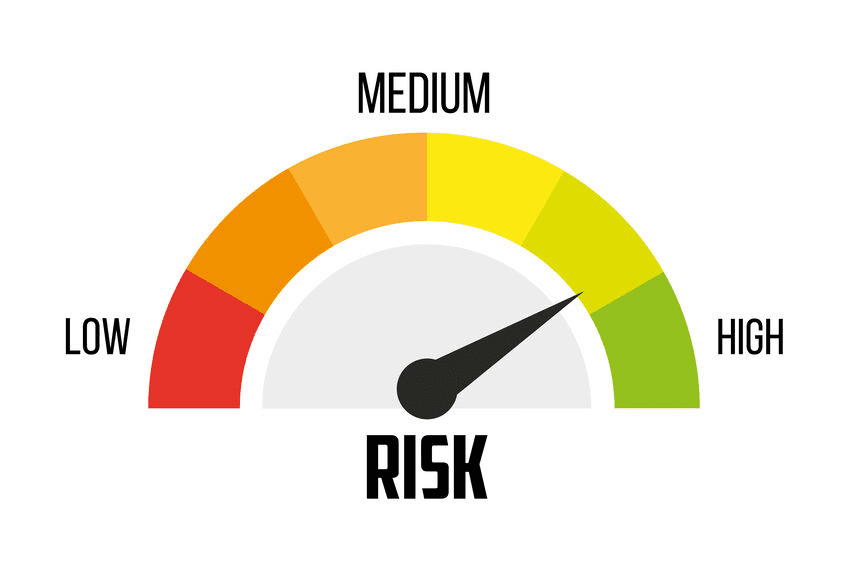
Now that you have a basic understanding of the different asset classes and the risk attached to them, it should make talking about your needs and goals easier.
Finding out the weighting of each asset within a unit trust is key to picking out which ones will suit your investment goals.
It is important to be realistic with your goals, the more aligned your goals and timeframe are to your unit trust choices, the more you can lower your overall risk.
In the next article we will be talking about what to look for on a unit trust fund factsheet, now that you have decided on the amount of risk you would like to take on.
FAQ's

1. What is a Unit trust?
A unit trust (also known as a ‘fund’) pools money from many investors to invest in assets like shares, bonds and property. Instead of having to pick individual investments yourself, a unit trust offers you exposure to a range of assets, which are selected and managed by investment professionals.
2. What are Asset Classes?
- An asset class is a grouping of investments that exhibit similar characteristics and are subject to the same laws and regulations.
- Equities (e.g., stocks), fixed income (e.g., bonds), cash and cash equivalents, real estate, commodities, and currencies are common examples of asset classes.
- There is usually very little correlation, and in some cases a negative correlation, between different asset classes.
- Financial advisors focus on asset class as a way to help investors diversify their portfolios.
3. Unit Trusts: What are the Risks?
As an investor looking to invest in a Unit trust, there are 3 main risks
- Choosing the wrong provider – Not every provider and platform is the same. Some charge more while others provider better service.
- Too much or too little risk – This risk relates to not matching your needs up with the correct portfolio.
- Lack of diversification – Without the knowledge of funds and fund managers you may fall pray to investor biases like following trends or choosing the top performing funds.


