Dental Veneers
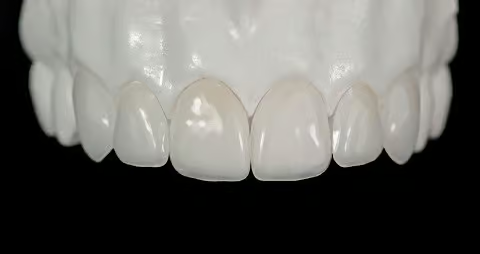
Dental veneers are very thin coverings placed over the front surface of teeth. Dental veneers are commonly done in smile makeovers used to change color, shape, size of the teeth or cover any irregularities in teeth. Veneers look like natural teeth.
Benefits of Veneers
- a natural-looking appearance
- you can choose the shade with your dentist, to cover teeth that are discoloured and make dark teeth appear lighter
- porcelain is compatible with gum tissue
- porcelain veneers are stain resistant
- less extensive tooth shaping than crowns, while still offering aesthetic restoration
The shade and final appearance achievable in your case are confirmed with your dentist during planning.
Issues Veneers Resolve
- worn down, chipped or broken teeth at the front
- front teeth with large discolored fillings covers teeth stains from tetracycline, white spots
- improves teeth aesthetics for uneven or slightly misaligned teeth
- covers small gaps between teeth
- able to change shape of irrregularly size and shape or teeth
Kitcha Dental Clinic Cosmetic Dental Clinic
Kitcha Dental Clinic uses digital dentistry and has a dental laborotory within its building for its veneers treatment. This shortens your cosmetic ceramic veneers treatment timings and allows you to customize and change specifications of veneers conveniently.

Digital Smile Design
planned with Digital Smile Design (DSD) software

ISO-Certified Dental Laboratory
Lab Technican & Digital Dentistry
Type Of Dental Veneers
In-Direct Veneers
Veneers that are pre-fabricated in dental lab using porcelain material

Porcelain Veneers
IPS Empress eMax

Super-thin Veneers
Ultra Veneers
Composite Veneers
3M Composites

Hybrid Veneers
Nano-composite Veneers
Direct Veneers
Veneers that are applied directly using composite or nano-composites
Porcelain Veneers
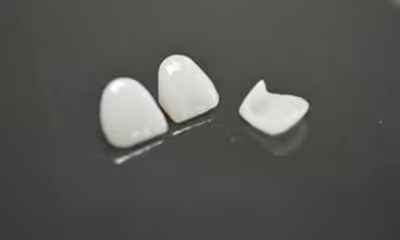
The most common type of dental veneer for a smile makeover is the porcelain veneer. Compared with composite veneers, porcelain veneers are more durable, tend to be more stain resistant, and give a natural-looking translucency. Porcelain veneers are always fabricated in a dental laboratory.
Two categories of porcelain veneer are available at Kitcha Dental Clinic in Chiang Mai:
- IPS e.max / Empress veneers : the most widely used porcelain veneers for smile makeovers — THB 12,000 per tooth (THB 15,000 for advanced cases)
- Super-thin veneers : for minimal-prep or no-prep cases
Composite veneers are also available as a more affordable option, from THB 3,200 (partial) to THB 6,000 (full, indirect technique). Prices are in Thai Baht and were current as of 1 July 2026.
Porcelain veneers feel and function much like natural teeth and are cared for in the same way. Whether veneers are suitable for you, and which type, is confirmed by your dentist after examination.
Porcelain Veneers & Super Thin Veneers Procedure
1. Treatment Plan & Diagnosis
Diagnosis and treatment planning involve your active participation in deciding the expected result. Your dentist examines your teeth to check whether porcelain veneers are suitable for you.
X-rays and tooth impressions may be taken for a study model or wax-up. If you are unsure about the shape, shade or size of your veneers, a wax-up is a good way to preview the likely result. Your dentist may recommend a wax-up to confirm the plan before veneer treatment starts.
2. Tooth Preparation
Once porcelain veneers are confirmed, your dentist prepares the teeth. A very thin layer of enamel — normally less than 0.5 mm — is removed from the tooth surface.
An impression or digital scan of the prepared teeth is taken and sent to the dental laboratory, which builds your veneers. Kitcha Dental Clinic works with an ISO-certified dental laboratory that can complete the work in 1–2 days and accommodate urgent cases, which keeps treatment timings short.
Temporary veneers are placed over the prepared teeth while the laboratory work is completed.
3. Bonding of Veneers
When the veneers arrive, your dentist arranges a visit to bond them. Before they are permanently cemented, your dentist places them temporarily so you can check the shade, shape and fit together. The veneers can be adjusted at the chairside to reach the agreed specification.
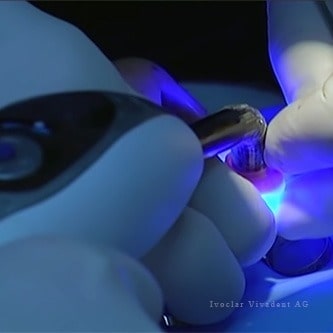
Once permanently bonded, veneers cannot easily be removed or changed, so please raise any adjustments you need before final cementation. To fit the veneers, the teeth are cleaned, polished and etched, a special cement is applied, the veneer is placed and a curing light sets it in place.
Excess cement is removed and polished, your bite is checked and any final adjustments are made.
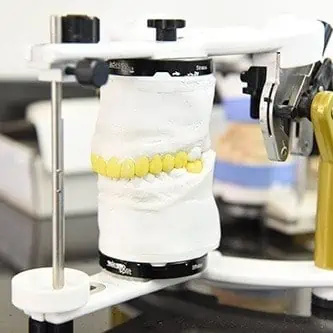
Wax up of Veneers
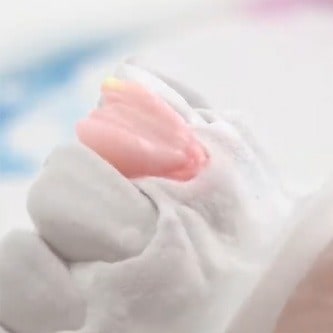
Tooth Prep & Labwork
Bond Veneers on Teeth
Post Care Instuctions For Porcelain & Super-thin Veneers
Dental veneers do not require special care. You need to simply continue good oral hygiene practices to
- brush and floss your teeth as normal
- maintain a healthy diet
- avoid biting on hards foods that, like your natural teeth, can chip your veneers
Dental Veneers Faqs
How much do dental veneers cost?
Dental veneers costs varies with your opted type of veneers material. Composite veneers normally costs less than porcelain veneers. Composite veneers is placed directly over your teeth by your dentists. Porcelain veneers will need to made by the dental laboratories before they are delivered for placement.
In Thailand at Kitcha Dental Clinic, composite veneers cost starts from 6,000 baht. (estimated cost $190 per tooth). There is now also nano-composite hybird veneers that are pre-fabricated laminates made in the dental lab but placed as direct veneers by your cosmetic dentist. Hybrid veneer cost around 9,000 baht (cost estimate $285 per tooth). Porcelain veneers are the most popular type of dental veneers used for smile makeovers. Porcelain veneer prices ranges at 16,000 baht (cost estimate $500 per tooth). If you opt for super-thin porcelain veneers, this requires special dental labwork and your dentist will need to be qualifed for on tooth preparation for super-thin veneers. Super-thin veneer costs typically costs more around 18,000 baht (cost estimate $565 per tooth).
Consult with our cosmetic dentist on which veneers type is best suited for your case. .
Can we only do front teeth veneers? How about my posterior back teeth?
Dental veneer are only done on your front teeth on upper, lower or both jaws. The maximum number of veneers opted is 10 teeth per jaw from premloar on left side to premolar on the right side. A full smile makeover with veneers range from 16 to 20 veneers.
Your cosmetic dentist does not normally do veneers for posterior teeth. Front teeth veneers cover imperfections when you smile. If you do not have a full smile, your cosmetic dentist may recommend less veneers.
Dental crowns are used to cap posterior teeth if teeth are worn down, damaged or to cover irregularities.
Can I straighten teeth without braces?
If your teeth is not significantly misaligned, it is possible to straigthen teeth without braces by using porcelain veneers and/or ceramic crowns. You may have also thus heard about Hollywood smile makeover within one week. It is important that you find a qualified prosthodontist or cosmetic dentist if deciding on full jaw crowns or veneers because the positioning of restorations will affects your occlusional bite and chewing function. Not all dentists have the know-how, training or experienced for full mouth veneers and crowns..
In general, if your teeth is moderately or significantly crooked, overcrowded or have bite malocclusion, orthodontic braces may still be the best treatment option. There are several types of braces today such as invisalign that are removable. This makes your orthodontic treatment comfortable and invisible.
Treatments to straighten teeth include:
Traditional metal and clear braces
Invisalign and clear aligners
Veneers and crowns
Retainers