Endodontic Treatment
Endodontics. Toothaches Relief. Clear Tooth Root Infections. Root canal treatments. Endo-surgery.
When you get a toothache, it is likely that infection has incurred within your tooth root affecting nerves. With root canal treatment, bacteria and infection within the roots of teeth may be treated. Endodontic treatment saves natural teeth that was once simply removed.
Endodontic treatments resolve tooth pulp and pulp problems of a dieased tooth root. Dental pulp is the soft tissue inside a tooth that contains nerves, blood vessels and connective tissue. It extends from the crown of the tooth to the tip of the root in the bone of the jaws. When the pulp is diseased, pain and swelling can result causing toothaches. Your endodontist or root canal dentist removes the diseased pulp. The tooth root canal is cleaned. If there are no further symptons, the canal is sealed with fillings.
After root canal treatment, tooth root becomes non-viable. Tooth bone can become fragile and darken over the long-run. Internal bleaching is sometime dones to resolve a darken tooth. To complete the root canal treatment process, a post is normally inserted followed by core buildup and a crown done to encase and strenghten your tooth.
Endodontic Dental Clinic
Advanced endodontic technologies — including dental operating microscopes, apex locators and digital intraoral imaging — are used at Kitcha Dental Clinic in Chiang Mai to support safer, more precise root canal treatment, including complex cases.
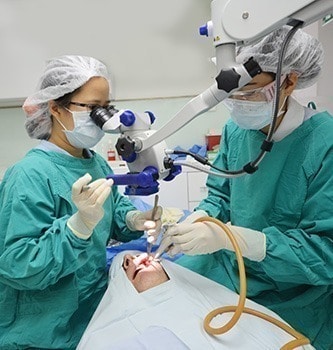
Endodontic Microscope
Magnification to view tooth root during root canal surgery procedures
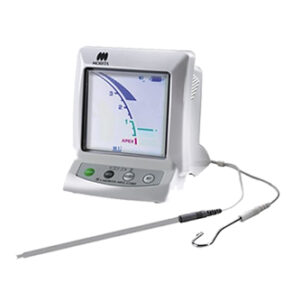
Root Apex Locator
Canal treatment measuring device

Micro-motor
Rotation speed measurement for accurate canal treatment preparation
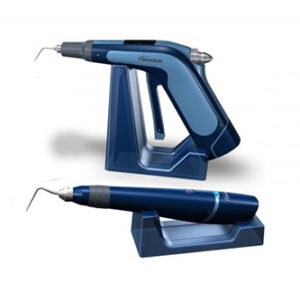
Obturation System
To safely fill and seal cleaned tooth root canal
Root Canal Dentists
At Kitcha Dental Clinic, root canal treatment and endodontic surgery are carried out by dentists with postgraduate training in endodontics. Our endodontic team includes dentists holding a Master of Medical Science (Dentistry) in Endodontics from Chiang Mai University, an MSc in Endodontics from Mahidol University and a PhD in Endodontics from the University of Manchester.
Our consultant endodontic panel includes a Diplomate of the Thai Board of Endodontics, and Dr. Tadkamol Krongbaramee, who is American Board certified in endodontics and holds a PhD in Oral Science and an Advanced Specialty Certificate in Endodontics from the University of Iowa.
Treatment under a dental operating microscope and sedation options are available where clinically indicated. Final suitability is determined by your treating dentist after examination.

Root canal treatment at Kitcha Dental Clinic is performed by dentists with postgraduate endodontic training, using dental operating microscopes where clinically indicated.
Root Canal Treatment Procedure
1. X-ray imaging, diagnoses & Treatment Planning
Intra-oral x-rays are taken prior to the start of root canal treatment for a detailed look of inside your tooth root. Additional films of x-rays are normally also taken during and after completion of the root canal procedure.
2. Cleaning, Shaping and Treatment of Tooth Root
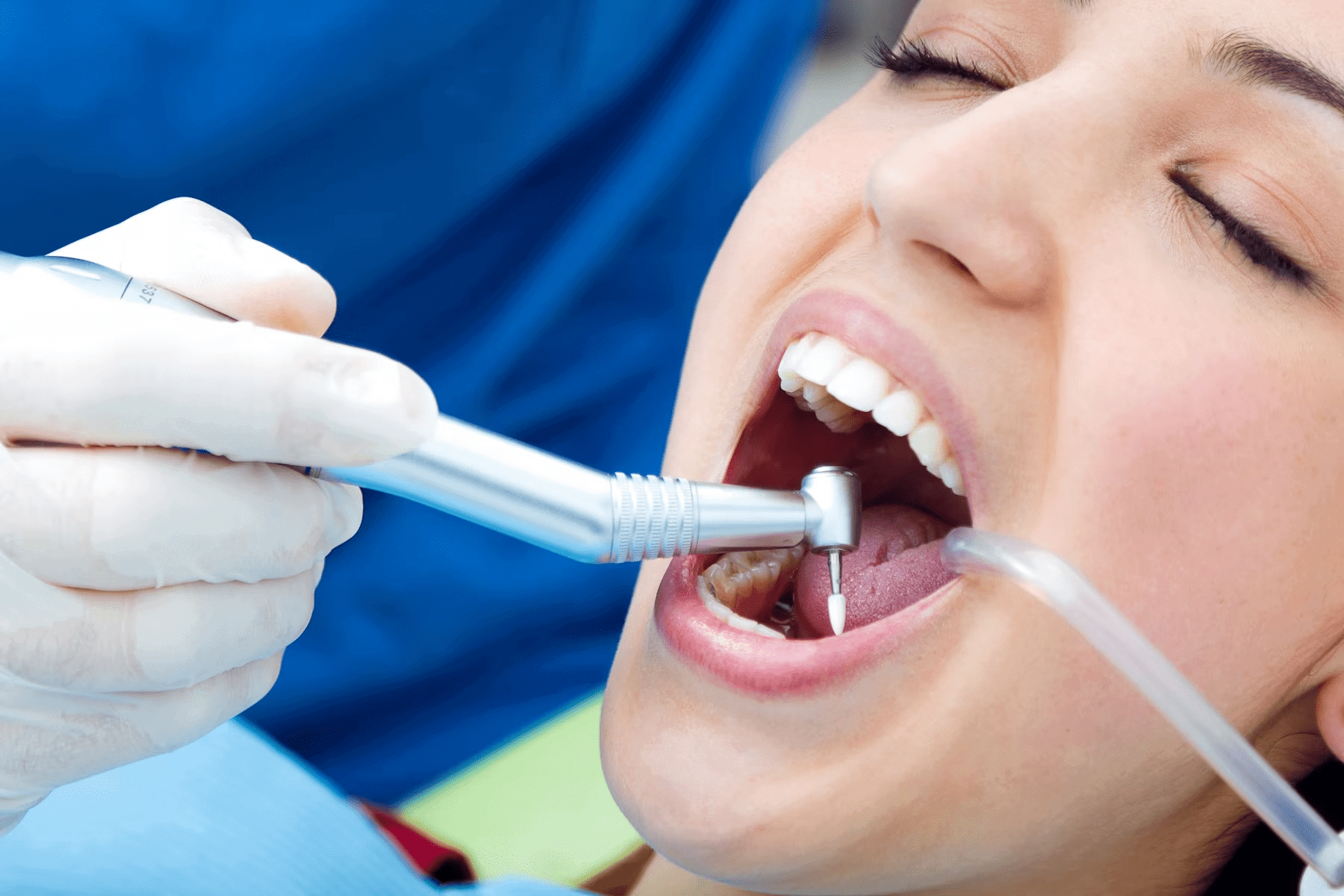
During root canal treatment, your endodontist makes an opening through the crown of the tooth into the tooth root pulp chamber. Infected pulp is removed and the tooth root canals are enlarged, cleaned and shaped.
If infection is severe and your endodontist sees significant bacteria infection, medications may be placed into the the pulp chamber to get rid of germs and/or prevent further infection. Temporary fillings is placed in the crown opening to protect the tooth between dental visits. Your tooth is monitored for symptoms. Additional rounds of cleaning and medication may be done if symptoms persists. Oral medication may also be adminstered to help control infection.
3. Filling of Tooth Root, Post Core-builup and Crowns
If your tooth shows no further signs of infection, the canal is permanently filled. To complete to root canal process, a pre-fabricated or metal post is be inserted into the root canal and a crown placed over to encase and protect the tooth.

Root Caries Treatment Faqs
How long does a root canal take?
The timeline for the tooth root canal treatment varies with the severity of the infection.
A minor tooth infection treatment case may be completed within one visit taking about 30 to 60 minutes. Whilst a more complex or moderate case may take 2 visits or more. If there is abscess within the tooth root, the canal is cleaned and antibiotics medications may need to be left in the canal for healing. The canal is monitored and cleaned again during the next sessions until the bacteria infection is removed.
Tooth toot canal treatment aims to removes infection and in the process soft tissue pulp from the root system. Any prior pain from the tooth is also eradicated. Once the canal is cleaned and disinfected, it is shaped, measured and filled to prevent any further infection with root fillings.
Is the tooth dead after a root canal?
Yes. After root caries treatment, the root for that portion of tooth is non-viable. Therefore, you will no longer feel any pain in that tooth because the nerve tissue has been removed, and the infection has been eliminated. If had a toothache, your root canal dentist may administer you a course of antibiotics prior to having actual endodontic treatment.
What is better root canal or extraction?
When diagnoses and treatment planning is done, your dentist will evaluate with you if your existing teeth may be saved with root caries treatment or if the tooth has poor prognoses recommended tooth extraction.
The difference between the procedures is :
1. Root canal treatment aims to save an existing tooth so you are able to prolong its use
2. Tooth extraction removes your tooth completely. Your dentist will likely thereafter propose replacement solutions such as dental implant, bridge or dentures to fill the missing tooth to prevent bone loss or shifting of adjacent teeth into the empty space of the removed tooth.
Speak to our root canal dentists on the probability of retaining your existing tooth with endodontic treatment versus tooth removal so you make a decision you best suited and that you are comfortable with.
Can I eat after root canal?
You are able to eat foods and drinks after the numbness wears off from your root canal procedure. However, until your root canal procedure is completed with permanent root fillings or a crown is in place, you are recommended to minimize biting force over the tooth.
What is the estimated root canal treatment price?
Root canal treatment cost at Kitcha Dental Clinic in Chiang Mai depends on the tooth being treated and the complexity of the case:
Tooth type : anterior, premolar or molar teeth have different numbers of root canals, which affects treatment time and cost.
Case complexity : some root formations are curved or difficult to access. A dental operating microscope may be used to see these areas clearly.
Infection severity : if there is an abscess or severe infection, medication, longer appointments and additional visits may be needed.
A complete root canal treatment usually involves two parts:
Cleaning and shaping the root canal system to remove infection
Restoring the tooth afterwards, usually with a crown, to protect the treated tooth from fracture
Current root canal treatment prices at Kitcha Dental Clinic (per tooth):
Anterior tooth, 1 root : THB 8,500
Anterior or premolar tooth, 1-2 roots : THB 10,000
Molar tooth, 1-3 roots : THB 12,000
Molar tooth, 4 roots : THB 12,000
Crown restoration after root canal treatment ranges from THB 9,000 (metal crown) to THB 20,000 (digital CAD/CAM crown), depending on the material chosen. Laser-assisted root canal disinfection is available as an optional addition for THB 3,000.
Prices are in Thai Baht and were current as of 1 July 2026. A consultation and X-ray are needed before a final treatment plan and quotation can be confirmed.
How is internal bleaching of tooth related to root canal treatment?
After root canal treatment is completed, teeth may darken as there is no longer vital blood supply at the concern tooth. Cosmetic teeth whitening will no help to whiten non-vital teeth. In such cases, internal bleaching of tooth is done to whiten the tooth. As an ideal practice, your endodontist will normally recommend having completed root canal treated tooth crowned.
How long can I keep my temporary filling after root canal treatment ?
After root canal treatment cleaning session is completed, temporary filling is normally placed within the tooth root to fill up the drilled tooth gap. The temporary filling is a short-term solution (around six to eight weeks). Your tooth will need to be sealed permanently and a crown is recommended to protect your overall tooth to prevent deterioration of the seal that can result in decay, infection, gum disease and future issues.
Conclusion